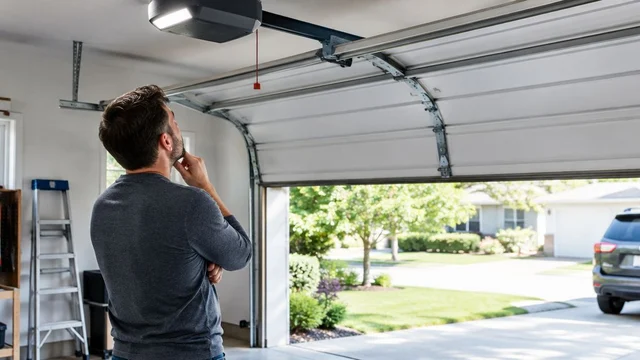
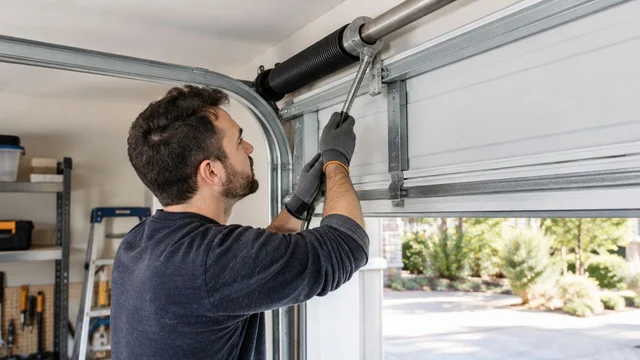
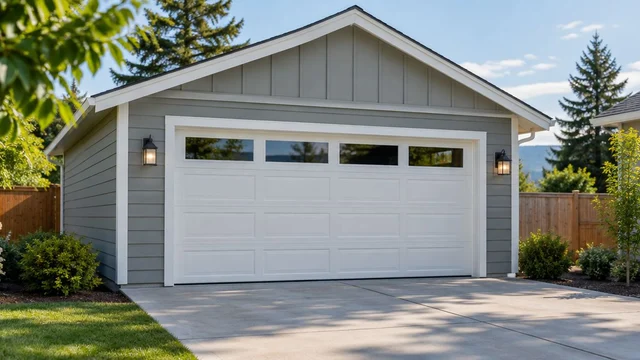
Yes, you can install a garage door in winter in Northern Kentucky when the work area is safe and the installation follows the door manufacturer’s requirements. Cold weather alone does not rule out replacement, but ice, unsafe wind, an unprepared opening, or temperature limits for sealants and finishes can require a different workday or installation sequence.
TL;DR
- You can install garage door in winter conditions when access, the opening, and installation materials meet safety requirements.
- Derby Strong provides garage door installation for Northern Kentucky homeowners; ask about site preparation before scheduling.
- Repair a serviceable door rather than replacing it solely because it sticks in cold weather.
- Compare insulation, perimeter seals, and opening condition—not just the new door’s appearance.
Can a garage door be installed over winter in Northern Kentucky?
Yes. The condition of the opening and the installation requirements matter more than the season. For a Northern Kentucky homeowner planning replacement in 2026, the decision starts with whether the existing door is safe and whether the site is ready—not whether spring has arrived.
Separate an installation decision from a cold-weather malfunction. If the bottom seal has frozen to the driveway, forcing the opener can damage the door or its operating hardware. Follow the safety boundaries in this guide to a garage door frozen shut in Northern Kentucky before treating the problem as a replacement job.
| Situation | Best next step | Main benefit | Limitation |
|---|---|---|---|
| Damaged or unsuitable door; opening ready | Professional replacement | Addresses the door problem without waiting for another season | Requires safe access and suitable installation conditions |
| Sound door with an isolated fault | Professional diagnosis and repair | Keeps usable door components in service | Does not correct unrelated panel or opening defects |
| Ice, unsafe wind, or unsuitable material conditions | Postpone the affected work | Avoids an unsafe or noncompliant installation | Leaves the existing access problem to manage temporarily |
A professional assessment should distinguish these situations before removal begins. A door that needs a seal repair does not automatically need replacement; a badly damaged door does not become safe simply because replacement is postponed.
Why This Matters for Your Door
Replacing a garage door temporarily opens the garage to outdoor conditions. If the garage connects to your home, keeping the connecting door closed helps limit that exposure inside the house.
The bigger mistake is choosing a date without settling the job scope. Confirm what happens to the existing tracks, springs, opener connection, perimeter seals, and damaged framing before the old door comes down. Winter makes an incomplete opening especially inconvenient, but these checks belong in any installation.
What makes a winter installation workable?
A workable winter installation needs a safe approach, a sound opening, suitable materials, and room to handle large door sections. Ask the installer to identify any site preparation that must happen before the appointment.
Safe access and a clear work area
Remove vehicles and loose storage from the agreed work zone before work starts, provided the existing door can be operated safely. Keep children and pets away from the opening and the route used to carry door sections.
Tell the installer about ice on the driveway, standing water near the threshold, and anything blocking access. Do not climb a ladder or chip ice beside damaged tracks to make the site appear ready. Describe the condition and let the installer decide how it affects the work.
A sound, correctly measured opening
The installer needs to verify the opening, mounting surfaces, headroom, and space beside the door. Damaged framing or an uneven threshold can change the work required even when the replacement looks similar to the existing door.
A ceiling obstruction also remains an obstruction in winter. If overhead clearance is tight, review whether a low-ceiling Northern Kentucky garage can fit a new door before selecting the door and operating arrangement.
Materials used within their instructions
There is no universal outdoor temperature cutoff that applies to every garage door installation. Door components, sealants, coatings, and other installation materials have different instructions; the installer must check the products actually being used.
Water freezes at 32°F, or 0°C, under standard conditions. That explains why moisture at the threshold deserves attention, but it does not establish a universal installation limit. Surface temperature, moisture, and product requirements still control the material decision.
Why winter installation plans vary
Two nearby homes can need different preparation. Base the plan on the garage itself rather than a general promise that every winter replacement follows the same process.
- Existing door condition: A door with damaged sections or operating hardware needs a different safety plan from a functional door being replaced for another reason.
- Ice and access: Slippery approaches and frozen material at the opening affect safe handling and site readiness.
- Opening condition: Deteriorated mounting surfaces, uneven floors, and water entry can require additional work.
- Material requirements: Sealants and finishes must be used within their documented temperature and surface-condition limits.
- Opener compatibility: The installer must confirm whether the existing opener suits the replacement door and can be set up correctly.
- Garage use: An attached residential garage and a commercial overhead-door opening have different access and interruption concerns.
For a Florence or Erlanger property, give the installer the actual address and describe the opening. The city name does not establish driveway access, ceiling clearance, building requirements, or whether a particular installation method is appropriate.
Should you repair the existing door or replace it this winter?
Choose replacement because of the door’s condition and suitability—not because cold weather exposed a problem. A winter symptom is a reason to investigate, not proof that the entire door has reached the end of its service life.
| Choice | Best for | Advantage | Drawback or boundary |
|---|---|---|---|
| Repair | An otherwise serviceable door with a defined fault | Preserves a usable door | Leaves existing insulation and design limitations unchanged |
| Replacement | A door whose condition or suitability justifies a new assembly | Allows the installer to specify a suitable replacement system | Requires removal, installation, and final testing |
| Wait for safer conditions | A safe existing door and a temporary site obstacle | Avoids work under unsuitable conditions | Is not a solution for an unsafe door |
A noisy opener, damaged bottom seal, or cold-weather sticking does not identify the underlying cause by itself. Ask what failed and whether the proposed repair resolves it.
Broken springs, loose cables, bent tracks, and damaged brackets are professional-only concerns. Do not adjust them, pull a crooked door into place, or increase opener force to overcome resistance. If the door is unstable or partly open, keep people clear and request professional direction.
What should you prepare before installation day?
You can prepare the space without touching the door’s lifting system. Use the installer’s instructions to define the work zone, then focus on access and household arrangements.
- Describe the problem. Explain whether the door operates, sits unevenly, reverses, or has visible damage. Do not cycle it repeatedly to demonstrate a suspected mechanical fault.
- Confirm the scope. Ask what is included in removal, replacement hardware, seals, opener connection, disposal, and testing.
- Clear the approach. Move vehicles only when safe, remove loose obstacles, and report slippery surfaces.
- Protect the interior. Relocate items affected by outdoor exposure and keep the door between the garage and house closed during work.
- Plan alternate access. Make sure household members can enter the property without passing through the active work area.
- Arrange the handoff. Be available for the operating demonstration and instructions for the installed equipment.
Do not loosen brackets, disconnect cables, remove tracks, or release spring tension in advance. Those tasks belong to the installer, including when removing the old door seems straightforward.
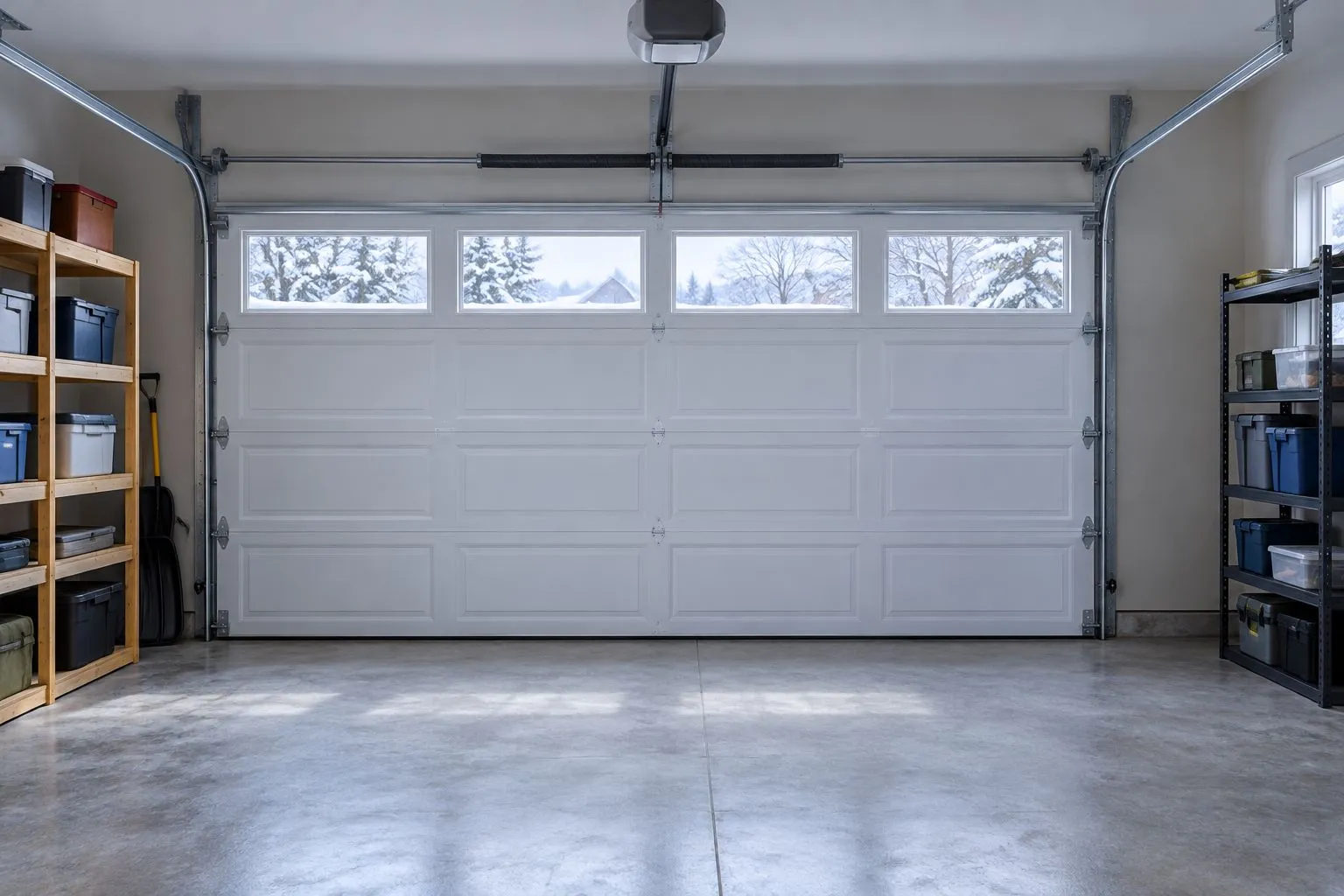
Illustrative photo: clear the agreed work area without disturbing door hardware.
A clear floor helps the crew handle sections and equipment, but it does not replace a site assessment. If you cannot safely move something because the door is stuck or damaged, explain that before the appointment rather than forcing access.
Will an insulated garage door make winter replacement worthwhile?
An insulated door can reduce heat transfer through the door assembly, but it does not turn an unheated garage into a heated room. Perimeter gaps, the bottom seal, walls, ceiling, windows, and air leakage also affect conditions inside.
Compare insulated and uninsulated doors against how you use the garage. An attached garage or regularly occupied workspace deserves a different discussion from a detached space used only for storage. Neither situation justifies a promised temperature increase or energy saving without property-specific evidence.
Ask whether a published thermal rating describes a section or the complete door assembly. Also ask how the proposed seals meet the opening. A high insulation claim does not excuse a poor fit at the floor or sides.
Replacement will not correct every water problem, either. A new bottom seal cannot be assumed to solve water directed toward the garage by the surrounding surfaces.
What should the installer check before handing over the door?
The installation is not finished merely because the opener moves the door. The installer should check secure mounting, suitable hardware, door travel, balance, seals, and the opener’s safety functions according to the applicable equipment instructions.
Ask for a demonstration of normal operation, safety features, and the emergency release. Do not test balance or disconnect an unstable door yourself. For an automatic residential door, the handoff should include the manufacturer’s obstruction-reversal testing instructions and an explanation of the photoelectric sensors.
Walk through these questions before signing off:
- Does the door travel without rubbing, binding, or moving unevenly?
- Are visible perimeter gaps addressed without forcing the door against an uneven floor?
- Has the installer confirmed the opener is suitable and correctly connected?
- Do you understand which maintenance tasks are safe for you and which require service?
- Do you have the instructions for the door and opener actually installed?
A door that only closes after the opener force is increased to overcome a mechanical fault is not an acceptable winter workaround.
Who can assess a Northern Kentucky winter replacement?
Derby Strong provides garage door installation for Northern Kentucky homeowners who need a replacement assessment. Describe whether the door is currently usable, what damage you can see from a safe distance, and whether ice or access restrictions affect the opening.
An assessment still needs to establish the job conditions; a service description does not establish a universal temperature limit or guarantee a particular installation day. Ask for the proposed scope and any weather-related conditions before committing.
Discuss your winter garage door installation
Describe the door’s condition and ask what preparation your opening needs.
Frequently Asked Questions
Is it too cold to install a garage door in winter?
Winter weather alone does not make garage door installation unsuitable. Safe site conditions and the requirements for the door and installation materials determine whether work can proceed.
Should I wait until spring to replace a damaged garage door?
Do not use the season as the reason to keep operating a damaged garage door. Have the condition assessed, then separate the immediate safety plan from the replacement schedule.
Can I keep my existing opener with a new garage door?
You can retain an existing opener only if it is suitable for the replacement door and functions correctly. Have the installer check compatibility, condition, connection, and safety features.
Will a new insulated garage door keep my garage warm?
An insulated garage door reduces heat transfer through the door assembly but does not heat the garage. Seals, other building surfaces, air leakage, and any heating source also affect indoor conditions.
Should I remove the old garage door before the installer arrives?
No. Leave door removal and work involving springs, cables, tracks, and brackets to a professional; prepare only the safe access and storage areas the installer identifies.
Can a frozen bottom seal mean I need a new garage door?
A frozen bottom seal alone does not establish that the door needs replacement. Stop operating the opener against the obstruction and have damage or recurring sticking assessed.
Does Derby Strong install garage doors in Northern Kentucky?
Derby Strong provides garage door installation in Northern Kentucky. Ask about your opening’s condition and winter preparation rather than assuming every property is ready for installation.
One Last Thing Before You Decide
Decide how the opening will be secured before removal begins. Ask what happens if hidden framing damage or a material requirement interrupts the planned sequence. That question is more useful than asking for a blanket promise that winter never affects installation.
Related Garage Door Guides
- R-value vs. U-factor for Northern Kentucky garage door buyers
- Should a storm-damaged Northern Kentucky garage door be replaced?
- Insulated vs. standard garage doors for a new Kentucky home
Local service: Garage door repair in Northern Kentucky