Storm and wind damage
Downed sections, loosened posts, torn materials, fallen-limb damage, and unsafe openings assessed together.
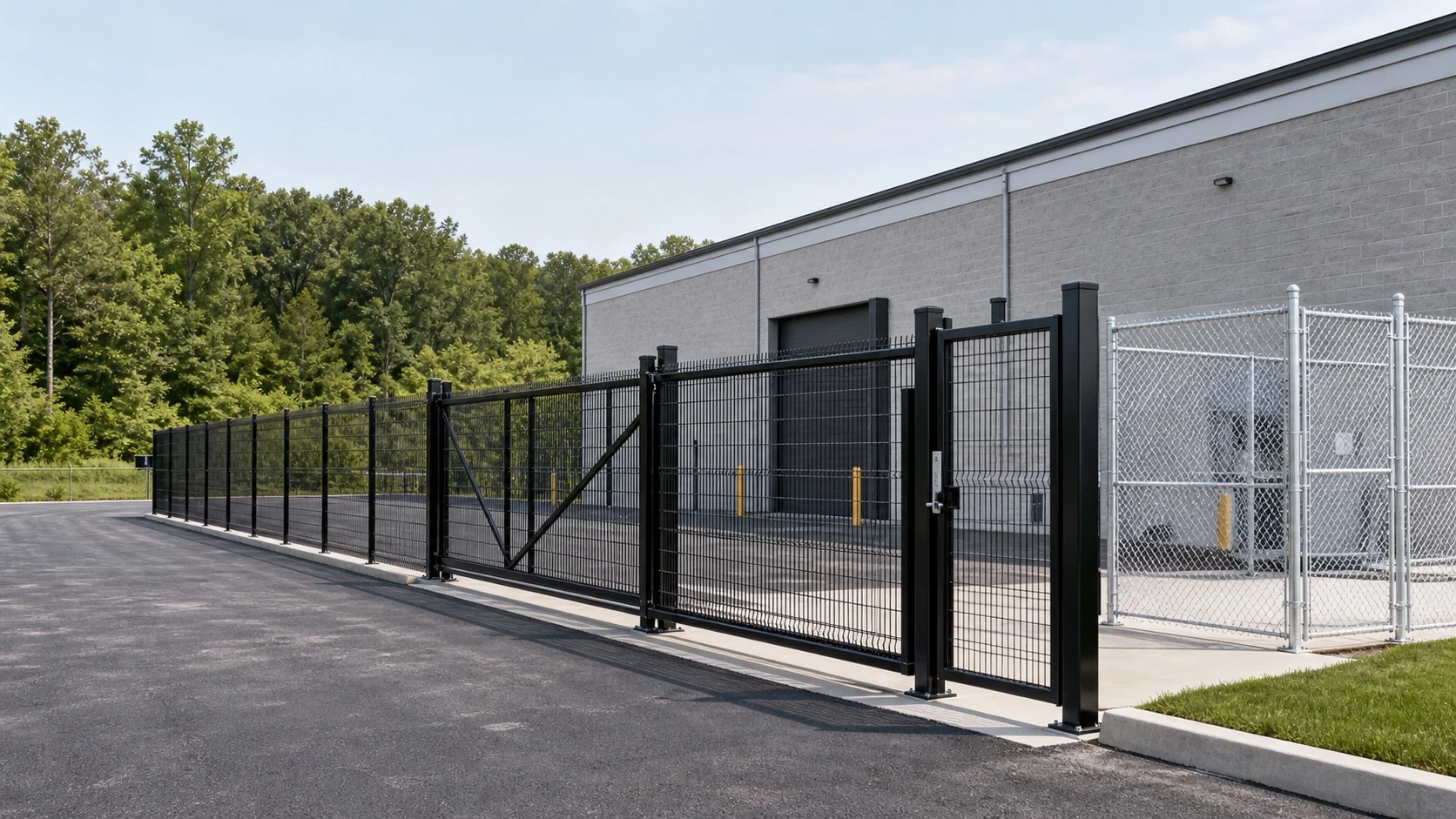
Fence repair across Louisville, Lexington and Northern Kentucky for leaning posts, storm and vehicle damage, broken panels, damaged fabric and sagging gates. We repair the underlying cause, not only the visible section.
Fence repair across Louisville, Lexington and Northern Kentucky for leaning posts, storm and impact damage, broken panels and sagging gates.



Correct the underlying failure
A leaning panel may begin with a failed footing, soil movement, drainage, wind load, impact, or a gate pulling on an undersized post. Reattaching the panel without correcting that condition leaves the same stress in the line.
Derby Strong fence repair documents the damaged area and the connected posts, rails, fabric, panels, tension, gates, and grade. The scope can then distinguish a focused repair, a rebuilt section, or replacement of a fence that has reached the end of its useful life.
Downed sections, loosened posts, torn materials, fallen-limb damage, and unsafe openings assessed together.
Posts, foundations, rails, panels, fabric, gate frames, hardware, and adjacent transitions documented after impact.
Breached commercial perimeters and uncontrolled yard access prioritized around temporary security and permanent restoration.
Damage types we repair
Photos help identify material and damage, but the on-site review determines whether the repair can reconnect to sound construction.

Heaved, cracked, rotted, undersized, or loose posts are evaluated with soil, drainage, wind area, and the attached fence load.
Compare Fence Installation
Chain-link fabric, welded-wire panels, ornamental pickets, vinyl sections, wood boards, rails, and braces can often be repaired by section.
Commercial Fence Support
Hinge posts, latches, leaves, rollers, wheels, frames, stops, and automated equipment are checked before the gate is rehung or rebuilt.
Gate RepairRepair versus replacement
A focused repair makes sense when compatible material can reconnect to sound posts and structure. Replacement becomes more practical as failure spreads.
Repair is favored when adjacent posts, rails, panels, fabric, finish, and foundations remain structurally useful.
Multiple leaning posts can indicate widespread footing, soil, drainage, wind-load, or original installation problems.
A deliberate transition or larger replacement area may look and perform better when the original product is discontinued.
Commercial yards, equipment areas, pools, pets, and controlled properties may need temporary stabilization before permanent materials arrive.
Dated photos, affected measurements, material identification, and a written repair scope can support owner communication with an insurer.
Corrosion, rot, coating failure, loose connections, gate stress, vegetation, and drainage indicate whether repair will remain economical.
Eight repair conditions
The repair method follows the material, remaining condition, original construction, exposure, and availability of compatible replacement parts.
Footing failure, frost, saturated soil, impact, roots, wind load, or gate leverage may move the line.
Downed runs can hide post, connection, tension, and gate damage beyond the visibly fallen area.
A strike can transfer force into posts, foundations, rails, gates, operators, and nearby corners.
Posts, rails, boards, pickets, fasteners, and moisture exposure are reviewed to find sound connection points.
Fabric repair may also require tension wire, bars, bands, rails, braces, ties, or framework.
Ornamental, welded-wire, vinyl, and wood sections are checked for compatible parts and sound supports.
Hinge or latch posts, frames, hardware, rollers, clearances, and automated equipment may all contribute.
Active corrosion, coating loss, section strength, replacement availability, and appearance determine the repair boundary.
Matching and preventive care
Color alone is not enough. A compatible repair considers geometry, strength, connection method, coating, weathering, and how the section carries load.
Record height, mesh and gauge, framework, panel or picket profile, rail spacing, board pattern, post size, hardware, and finish.
Record height, gauge, profile, post size, hardware and finish.
New material may differ from sun-faded, oxidized, stained, or weathered fence even when the original product remains available.
New material may not match weathered or faded fence.
Periodic checks for loose fasteners, leaning posts, surface corrosion, rot, tension loss, vegetation, drainage, and gate drag can reduce larger repairs.
Periodic checks for loose posts, rust, rot and gate drag.
Adjust latches and hinges, keep travel clear, prevent vehicle strikes where practical, and service automatic-gate equipment on its own schedule.
Adjust latches and hinges and keep gate travel clear.
Fence repair process
Immediate access or safety concerns are identified, and photos, measurements, material, damage pattern, and affected openings are recorded.
Note safety concerns; photo and measure the damage.
Posts, footings, rails, fabric or panels, tension, corners, grade, drainage, gates, and adjacent sections are checked.
Check posts, footings, rails, fabric and adjacent sections.
Compatibility, matching material, structural condition, temporary security, expected life, and insurance documentation are explained.
Repair versus replacement and matching options explained.
Approved sections are rebuilt, gates and latches are operated, sharp edges and gaps are checked, debris is removed, and maintenance notes are provided.
Rebuild approved sections, test gates and clear debris.
Kentucky fence repair service area
Use the local page for direct market contact information and service-area context for storm, impact, residential, or commercial damage.
Residential sections, commercial perimeters, gates, storm damage, and vehicle impact across Louisville.
Post, panel, chain-link, ornamental, wood, vinyl, and gate repair across Lexington.
Residential and commercial fence repairs throughout Northern Kentucky.
Customer reviews
Before you request service
One section can often be repaired when the surrounding posts, rails, panels or fabric, foundations, and finish remain serviceable. Replacement becomes more practical when movement, rot, corrosion, incompatible material, or original installation problems extend beyond the visible damage.
Some posts can be reset; others need replacement. The repair depends on post material and condition, footing size, soil, frost or water movement, attached fence load, wind exposure, roots, impact, and whether the line can be restored without stressing adjacent sections.
Storm-damaged fencing can be documented and scoped for repair. Derby Strong can provide photos, measurements, material notes, and a written scope for the owner to share with an insurer. Coverage decisions, deductibles, and claim approval remain between the property owner and insurance carrier.
Often, but an exact match depends on manufacturer availability and weathering. Height, color, coating, mesh gauge, framework, panel dimensions, picket profile, rail spacing, board pattern, and hardware are documented. If the original product is unavailable, the proposal should explain the closest compatible transition.
Timing depends on location, crew and material availability, breach length, access, hazard, and the temporary method the site can accept. Call and clearly state that the perimeter is open or security-critical. Temporary stabilization or fencing may be considered separately from permanent reconstruction.
Repair is usually more economical for isolated damage connected to sound construction. Replacement can provide better value when many posts are moving, material is brittle or corroded, matching parts are unavailable, gates repeatedly pull the line out of alignment, or repairs would address only a small part of widespread deterioration.
Request fence repair
Photos of the complete section, nearby sound posts, grade, connected gates, impact path, fallen tree or storm damage, and material details help define the right site review.