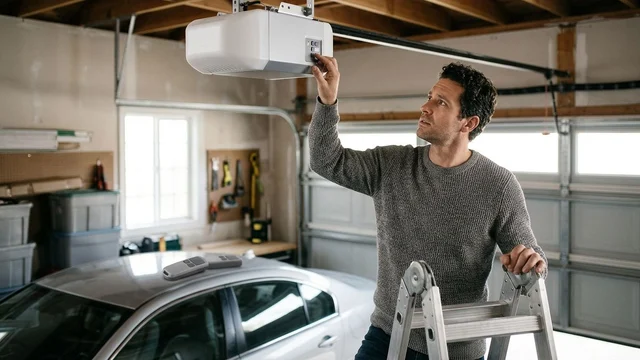
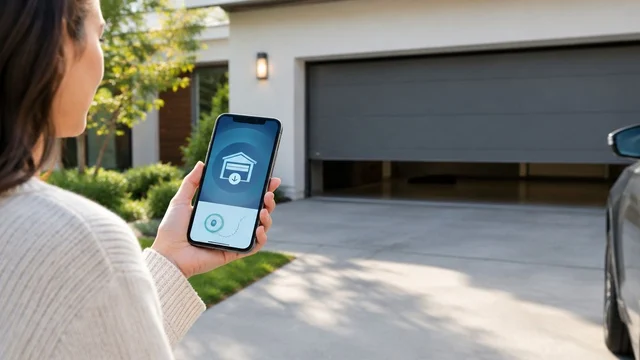
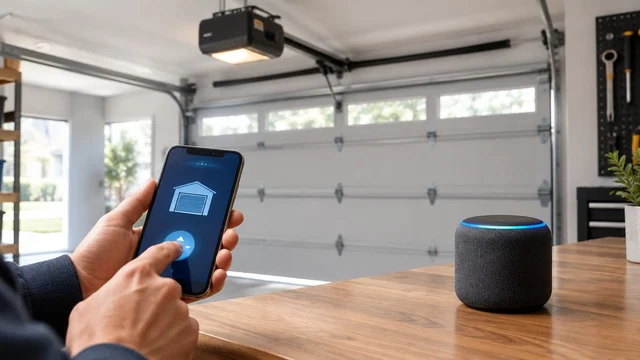
Best overall for a professionally installed replacement: LiftMaster. Best for comparing retail replacement options: Chamberlain. Best alternative platform to compare: Genie. This guide separates the best garage door opener brands by buying situation, with practical checks for Kentucky homeowners considering opener service from Derby Strong.
TL;DR
- LiftMaster leads this garage door opener shortlist for homeowners choosing professional installation.
- Chamberlain suits retail comparison shoppers; Genie provides an alternative opener platform.
- The best garage door opener brands still require model-specific checks for clearance, controls, and door compatibility.
- Repair spring, cable, or track faults before deciding that you need a replacement opener.
Why This Matters for Your Door
The right opener brand cannot compensate for a damaged or poorly balanced garage door. Springs counterbalance the door; the opener moves a door that should already operate correctly. Buying a stronger motor does not resolve a broken spring, loose cable, bent track, or binding roller.
For a Louisville homeowner replacing a noisy opener, the first decision is whether the noise comes from the operator or the door hardware. That diagnosis determines whether you need an opener, a door repair, or both. The same distinction matters when you compare installation proposals: the equipment name alone does not describe the work required.
What makes the best garage door opener brands?
Use these criteria before comparing logos or feature lists:
- Door compatibility: The exact opener must suit your door’s construction, dimensions, travel, and hardware arrangement.
- Installation fit: Ceiling-mounted and wall-mounted equipment have different space and door-system requirements.
- Noise control: Compare the drive mechanism and door condition, not just the motor description.
- Everyday controls: Verify the exact remotes, keypad, vehicle controls, and app functions you need.
- Outage operation: Check whether the specified equipment includes battery backup and how manual access works.
- Repair support: Ask who will diagnose faults, supply compatible parts, and handle installation-related questions.
For a 2026 purchase, use the current manufacturer manual for the exact model being quoted. A feature listed for one opener does not establish that every opener from that brand includes it.
Best garage door opener brands at a glance
These are buying-path recommendations, not laboratory performance rankings. The table distinguishes who should compare each brand first; it does not claim that every model shares the same equipment or capabilities.
| Rank and brand | Best for | Standout buying consideration | Key limitation |
|---|---|---|---|
| 1. LiftMaster | Professional installation | A professional-installation-focused opener brand | The brand name alone does not establish features or door compatibility |
| 2. Chamberlain | Retail replacement comparison | A consumer-facing opener brand to compare by exact package | A retail package does not resolve door repairs or installation constraints |
| 3. Genie | Comparing an alternative platform | Another established residential opener brand | Existing controls and accessories require a compatibility check |
For a separate breakdown of equipment choices, use the garage door opener comparison. Keep the brand decision separate from drive type, mounting position, and required accessories.
1. LiftMaster: best opener brand for professional installation
LiftMaster is the first brand to compare when you want a professional to specify and install the opener. Its role here is straightforward: start with the door and installation requirements, then select an appropriate operator rather than buying equipment first.
LiftMaster is the best starting point on this shortlist for homeowners choosing professional garage door opener installation. That recommendation concerns the buying process, not a claim that every LiftMaster model outperforms competing equipment.
LiftMaster pros
- Fits a professional-led selection process that starts with the existing door.
- Lets you evaluate the opener and installation scope together.
- Keeps mounting requirements, controls, and commissioning in the same discussion.
LiftMaster cons
- A brand-only proposal leaves important equipment details unresolved.
- Choosing LiftMaster does not establish that battery backup or your preferred controls are included.
- A new operator still needs a serviceable, correctly balanced door.
Best for: Homeowners who want the installer to assess the door, specify the equipment, and explain the completed setup.
Ask for the exact model, drive type, included controls, and any required door repairs in writing. Do not accept “LiftMaster opener” as the full equipment specification. If overhead space is the problem, have the installer assess the mounting arrangement before choosing a wall-mounted unit.
Verdict: Buy a specified LiftMaster installation when professional selection is your priority and the proposed equipment fits your door.
2. Chamberlain: best opener brand for retail comparison shoppers
Chamberlain belongs on your shortlist when you want to compare consumer opener packages before arranging installation. That buying route puts more responsibility on you to distinguish what the box includes from what your garage requires.
Compare the exact equipment rather than assuming a package is complete for every opening. Rail length, mounting requirements, controls, and the condition of the existing door all affect the finished job.
Chamberlain pros
- Suits homeowners who want to compare specific retail packages.
- Gives you a concrete equipment specification to discuss with an installer.
- Makes the included-versus-required accessory check part of the purchase decision.
Chamberlain cons
- Selecting a package yourself shifts compatibility checks onto the buying process.
- Existing remotes and keypads are not automatically reusable.
- Buying an opener does not address worn or damaged door components.
Best for: Homeowners comfortable comparing model documentation and confirming installation requirements before purchasing equipment.
Ask the intended installer whether the selected unit fits the door and whether they install customer-supplied equipment. That question prevents you from treating a retail purchase and a completed installation as the same thing. Keep the packaging and exact model information available when discussing the work.
Verdict: Buy Chamberlain when you want a retail-led comparison and have confirmed the complete installation requirements.
3. Genie: best opener brand for an alternative platform
Genie gives you another established residential opener brand to compare rather than limiting the decision to LiftMaster and Chamberlain. It is particularly relevant when you are willing to evaluate the operator and its controls as a complete replacement system.
Do not assume a change of brand lets you retain existing accessories. Even within a brand, compatibility depends on the equipment and control technology involved.
Genie pros
- Adds a distinct brand option to your equipment comparison.
- Suits a replacement decision that includes reviewing remotes and keypads.
- Encourages a complete-system comparison instead of choosing on motor claims alone.
Genie cons
- Existing controls need confirmation before reuse.
- An alternative brand is not automatically the solution to a mechanical door fault.
- App features, backup equipment, and mounting requirements remain model-specific.
Best for: Homeowners comparing a complete alternative opener setup without requiring every existing accessory to carry over.
Have the installer identify what stays and what changes. The written scope should distinguish the operator, controls, safety devices, and door repairs. Avoid replacing only the component you can see while leaving compatibility questions unanswered.
Verdict: Buy Genie when the specified system fits your garage and you are ready to confirm or replace the associated controls.
Match the opener to the garage before choosing a brand
An opener decision becomes easier when you describe the actual constraint. “The room above the garage is noisy” is more useful than “I want the strongest opener.” Likewise, limited overhead clearance calls for measurements, not a brand preference.
| Your main concern | What to compare | What not to assume |
|---|---|---|
| Noise near living space | Drive type, mounting, and door hardware condition | Every sound comes from the opener |
| Limited overhead space | Rail position, door travel, and mounting requirements | A wall-mounted opener fits every door |
| Operation during an outage | Documented battery-backup equipment and manual access | Every opener from a brand has backup power |
| Keeping existing controls | Exact remote, keypad, and vehicle-system compatibility | Matching brand names guarantee compatibility |
| A door that struggles | Professional assessment of springs, cables, tracks, and balance | More motor force is the repair |
If you are considering a wall-mounted opener, ask the installer to verify the door-system requirements and available side clearance. Do not change tracks, cable hardware, brackets, or spring components yourself to make equipment fit.
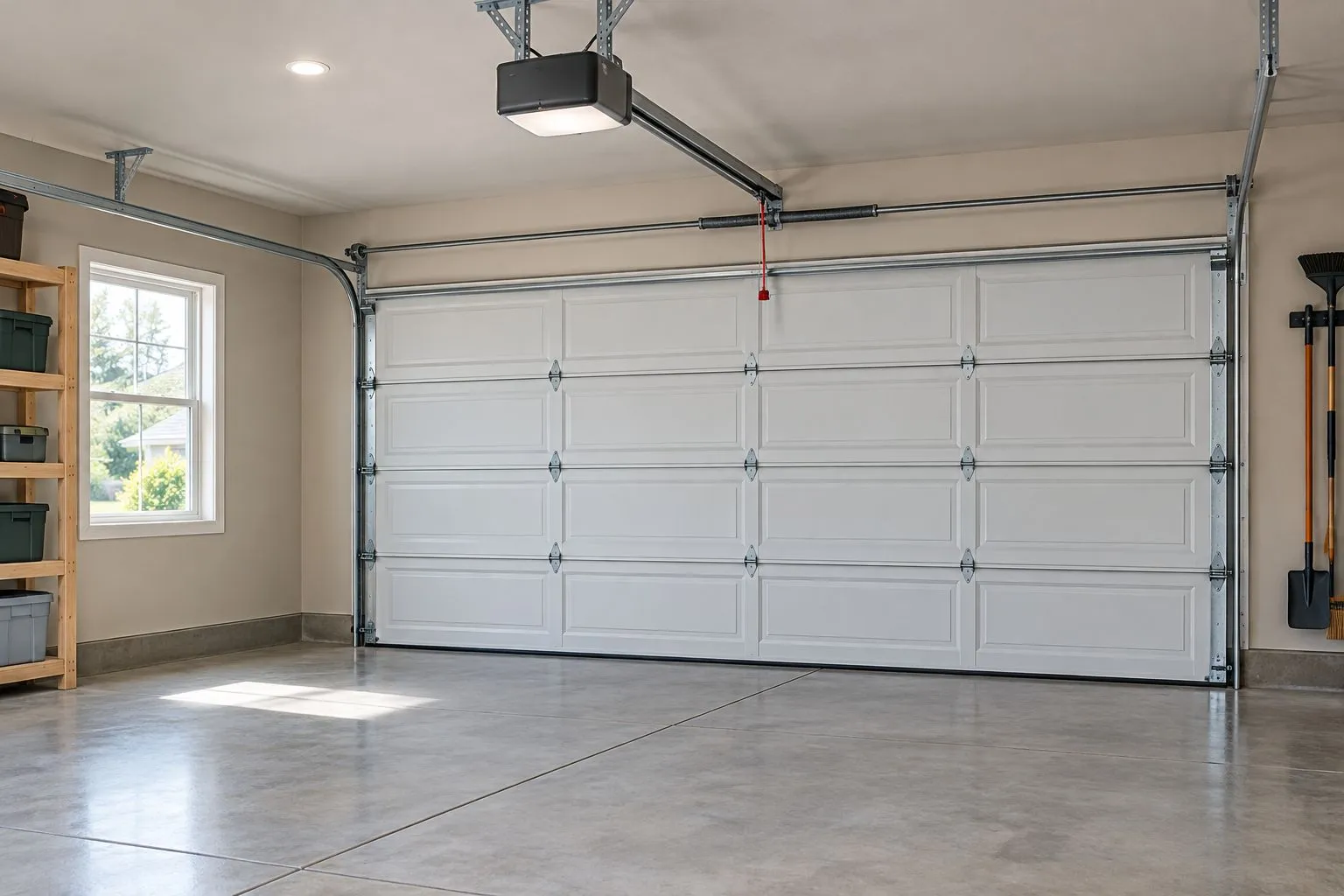
Illustrative photo: opener placement and door travel must fit the same garage space.
Compare controls without assuming compatibility
Write down how you actually enter the garage: a handheld remote, exterior keypad, vehicle button, wall control, or phone. Then ask the installer to confirm each function against the proposed model’s current documentation.
A phone app is not a substitute for checking ordinary operation. Decide how household members will open the door without relying on a shared phone, and distinguish a remote-control problem from an operator failure before replacing equipment.
Comparisons of top garage door openers should separate brand reputation from exact-model suitability: a Kentucky buyer still needs confirmation of mounting clearance, control compatibility, and door condition. A recommendation written for another market does not establish that an opener fits your garage.
Ask these questions before approving the equipment:
- Which controls are included in this specific proposal?
- Which existing controls have been confirmed compatible?
- Does the exact opener include battery backup?
- Which requested functions depend on an internet connection?
- Who explains operation and provides the manufacturer instructions?
Derby Strong provides garage door opener service and installation. When discussing a replacement, describe the controls you use and the fault you are experiencing rather than requesting a brand without a diagnosis.
Repair the fault before replacing the opener
Stop operating a door with a loose cable, visibly displaced rollers, a damaged track, or a suspected broken spring. Keep people away from the opening and arrange professional service. Do not pull the emergency release on an open or damaged door; an unsupported door can fall.
Safe observations help the service discussion. Record whether the wall button works, whether the remote fails, whether the opener light flashes, and whether the door stops at the same position. Observe from a safe position without repeated operation or touching moving hardware.
Photoelectric safety sensors belong near floor level; federal garage-door-opener safety guidance places them no higher than 6 inches above the floor. Follow the exact manufacturer instructions for testing, including the prescribed contact-reversal test using a 1.5-inch-high object, commonly a 2-by-4 board laid flat. Stop using the opener if a safety test fails, and never increase closing force to overcome the problem.
How these brands were ranked
This shortlist ranks buying situations: professional specification first, retail comparison second, and an alternative platform third. It does not assign reliability scores, claim hands-on testing, or turn undocumented features into brand-wide promises.
Derby Strong’s garage door opener service covers a different decision from this brand ranking: whether your existing opener needs repair, replacement, or no work at all once the door fault is corrected. Keep that diagnosis ahead of the purchase.
Which garage door opener brand should you choose?
Choose LiftMaster as the default starting point when you want professional installation. Compare Chamberlain when you prefer selecting a retail package, and include Genie when you want another complete-system option.
The final choice should be an exact model with a clear installation scope—not just a brand name. Confirm door condition, fit, controls, backup requirements, and safety testing before authorizing the work.
Frequently Asked Questions
What’s the best garage door opener brand for a Kentucky homeowner?
LiftMaster is the starting recommendation in this guide for homeowners choosing professional installation. Chamberlain suits retail comparison shoppers, while Genie provides an alternative platform; the exact model must still fit the door.
Is LiftMaster better than Chamberlain for my garage?
LiftMaster is the better starting point here for professional-led equipment selection, while Chamberlain suits a retail-led comparison. Neither brand name alone proves that a particular opener fits your door or includes your required features.
Should I consider Genie when replacing another opener brand?
Yes, Genie belongs in a complete-system comparison. Confirm the new opener’s compatibility with the door and identify which remotes, keypads, and other controls need replacement.
Which garage door opener brand is the quietest?
Brand alone does not determine the quietest installation. Compare the exact drive mechanism, mounting arrangement, and condition of the door’s rollers and other hardware before choosing equipment.
Do all garage door openers include battery backup?
No, battery backup must be confirmed for the exact equipment being purchased. Ask whether it is included in the written proposal rather than relying on a general brand description.
Will a stronger garage door opener fix a door that struggles?
No, a stronger opener is not the repair for broken springs, damaged cables, binding tracks, or an unbalanced door. Stop operating a visibly damaged door and have the mechanical fault assessed professionally.
Can I keep my existing garage door remotes?
You can keep existing remotes only when compatibility with the replacement opener is confirmed. Give the installer the opener and remote identification details before assuming those controls will work.
One Last Thing Before You Decide
Before requesting a replacement, photograph the existing opener’s model label from a safe, accessible position and describe the symptom. Do not climb onto the door or reach near moving parts. That information makes the repair-or-replace discussion more precise than asking for a larger motor.
Related Garage Door Guides
- Garage door opener drive types ranked by noise level
- Garage door opener security features compared
- Repair or replace a garage door opener in Northern Kentucky
Local service: Garage door repair in Louisville · Garage door repair in Lexington · Garage door repair in Northern Kentucky