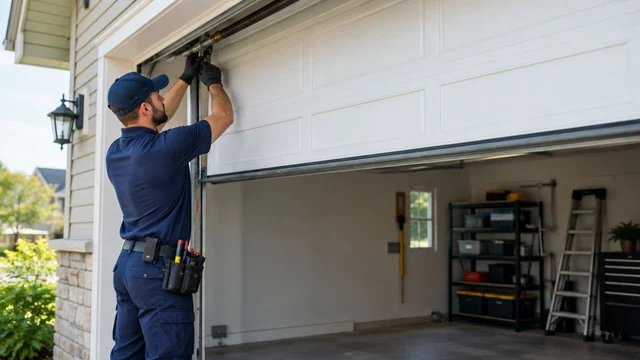
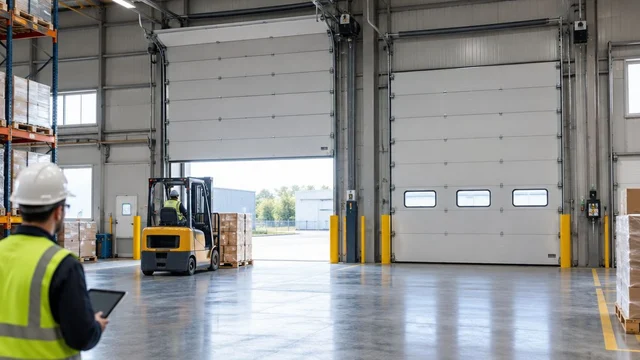
Plan a professional garage door tune-up once a year for a normally operating residential door in Winchester, KY, unless the door or opener manufacturer specifies a different schedule. Heavy use or a change in operation calls for an earlier inspection; a crooked door, loose cable or suspected broken spring needs repair assessment, not another maintenance reminder.
TL;DR
- For garage door tune-up frequency in Winchester, KY, use an annual appointment as a planning baseline.
- Follow the door and opener manuals when their maintenance schedules differ from general advice.
- Stop operating a crooked door or one with a loose cable; arrange professional assessment.
- Derby Strong provides garage door repair and opener service; confirm appointment coverage for your Winchester address.
How often should a garage door get a professional tune-up in Winchester, KY?
Use an annual professional inspection as your starting point, then adjust for the equipment instructions, use and condition. Put the next appointment on your calendar within 12 months of the last completed inspection rather than waiting for the door to become noisy.
An annual appointment is a planning recommendation, not a promise that every component will last until then. The door and opener are separate pieces of equipment, and their maintenance instructions need to be considered together.
| Situation | Best next move | Benefit | Limitation |
|---|---|---|---|
| Residential door operating normally | Plan an annual professional tune-up | Establishes a regular inspection point | Does not replace checks between visits |
| Door serving frequent vehicle movements | Ask for an equipment-specific interval | Accounts for actual use | A household calendar alone is insufficient |
| New grinding, hesitation or repeated reversal | Arrange diagnosis before the annual visit | Addresses a change in operation | Lubrication alone does not identify the cause |
| Crooked door, loose cable or displaced roller | Stop use and request professional assessment | Avoids further operation of damaged equipment | Routine maintenance is not the immediate task |
Use the garage door maintenance checklist to separate routine observations from work that belongs with a technician. Keep the schedule tied to your Winchester property’s actual door, not a generic reminder copied from another building.
Why This Matters for Your Door
A garage door can still move while developing a mechanical problem. Successful opening and closing does not establish that the springs, cables, rollers, tracks and opener are all working correctly.
The useful distinction is scheduled maintenance versus a symptom-led service call. Scheduled maintenance checks a normally operating system; diagnosis investigates something that has changed. Waiting for an annual appointment is the wrong response when the door starts binding or hanging unevenly.
For your 2026 maintenance calendar, record the last inspection, any repairs and the next recommended visit. A short service history gives the technician more useful information than a recollection that the door was serviced sometime recently.
Routine residential use: start with annual service
An annual professional visit is a practical baseline when your residential door moves evenly, closes normally and has no visible damage. Ask the technician to confirm whether that interval fits the installed door and opener.
A tune-up should involve more than quieting a squeak. Ask what the appointment includes before booking, because inspection, adjustment and replacement work are not interchangeable services.
A useful inspection scope addresses:
- Door movement: Whether the door travels evenly without binding or scraping.
- Counterbalance condition: Whether the spring system supports proper door operation, assessed by the technician.
- Cables and hardware: Visible wear, loose components and attachment concerns.
- Rollers and tracks: Wear, damage and alignment issues affecting travel.
- Opener safety functions: Checks appropriate to the installed model and its instructions.
- Weather seals: Tears, displacement and gaps needing separate attention.
Get the findings in writing. A note identifying an actual defect is more useful than a general statement that the door received a tune-up.
Frequent use: set the interval around the equipment
For a frequently operated door, ask for a maintenance interval based on use and manufacturer instructions. Do not assume a residential annual schedule fits a commercial overhead door that opens repeatedly throughout the working day.
One complete opening and closing is 1 cycle. Repeated trips, deliveries or shared use increase cycles even when the door looks unchanged from the street.
Explain how the door serves the property: occasional vehicle access, regular household trips or recurring business movements. If the equipment records cycles, give that information to the technician rather than estimating from memory.
More frequent inspections mean additional appointments, so the schedule needs a reason. Ask which equipment requirement, operating pattern or documented condition supports the proposed interval; frequency alone is not proof of better maintenance.
A changed or damaged door: do not wait for a tune-up
A new operating problem overrides the calendar. A routine appointment months away is not the right plan for a door that suddenly jerks, grinds, reverses repeatedly or stops partway through travel.
Stop operating the door if you see a slack cable, a roller outside its track, a visibly crooked section or a suspected broken spring. Keep people clear and describe the condition when requesting service. Do not try another cycle to capture a better video.
Leave spring, cable, track and bottom-bracket work to a professional. Do not loosen hardware, reposition rollers or increase opener force to push through resistance.
If a damaged door is raised, do not walk beneath it or attempt to pull it down. If the garage is your usual entrance, use another available entrance until the condition has been assessed.
Why garage door tune-up frequency varies
The Winchester address helps arrange the visit; it does not determine the maintenance interval by itself. Base the schedule on the installed equipment and these practical factors:
- Operating frequency: Repeated daily movements create a different maintenance demand from occasional use.
- Manufacturer instructions: The door and opener manuals establish equipment-specific tasks and schedules.
- Current condition: Binding, uneven movement, grinding or repeated reversal calls for assessment before routine service is due.
- Repair history: Recurring problems need investigation, not an automatically shortened lubrication schedule.
- Exposure and seal condition: Visible corrosion, damaged seals and debris warrant attention according to their condition.
- Commercial operating requirements: Business equipment needs a schedule suited to its application and documented instructions.
Do not accept a claim that every Winchester door needs the same extra appointments because of local conditions. Ask what the technician observed on your equipment and how that finding changes the service plan.
What can you safely check between professional visits?
You can observe a garage door without adjusting its high-tension parts. Keep hands away from hinges, rollers, cables and section joints, and do not stand beneath a moving door.
Use this sequence only during otherwise normal operation. If damage is already visible, skip the operating observation and arrange service.
- Look first. From a safe position, check for a crooked door, loose cable, displaced roller or obvious damage. Do not operate it if you find these conditions.
- Listen during use. Notice whether normal operation has developed grinding, scraping, banging or a new repetitive sound. Do not run extra cycles to investigate.
- Record changes. Note when the symptom happens, what the door is doing and whether it affects opening, closing or both.
- Arrange service. Pass those observations to a professional without attempting adjustments.
For opener safety checks, use the exact instructions for your model. Do not improvise a test or assume that a procedure for another opener applies to yours.
A homeowner observation is useful because it identifies a change. It is not a substitute for checking door balance, spring condition or hardware under tension.
Does a quiet garage door still need an annual tune-up?
An annual inspection remains a useful baseline even when the door sounds normal. Noise is only one symptom; quiet operation does not confirm correct balance, sound cables or functioning safety features.
Keep the appointment tied to the manufacturer’s guidance and previous inspection findings. If the technician recommends a different interval, ask for the equipment or condition-based reason.
Should a noisy garage door wait until its next tune-up?
The annual schedule should not delay assessment of a new noise. A faint, familiar operating sound is different from sudden grinding, scraping or banging, especially when movement also changes.
Describe the sound rather than assuming the door needs lubricant. A roller, track, hinge, opener or balance problem requires diagnosis before choosing the remedy.
Is an annual tune-up enough for a commercial overhead door?
An annual interval is not a universal commercial maintenance schedule. Use the commercial door and operator instructions, operating frequency and inspection findings to set the plan.
For a Winchester business, explain how the opening is used and what happens if it becomes unavailable. That context helps plan maintenance, but it does not justify ignoring a developing fault between visits.
What should you ask before booking service in Winchester?
Ask whether the appointment covers both the garage door and the opener, and whether the technician will document findings. Also clarify how additional repair recommendations are explained before work proceeds.
Derby Strong provides garage door repair, installation and opener service. Confirm appointment coverage for your Winchester address before booking; a service request should include the property address, door condition and any restriction on safe entry.
Prepare these details without touching damaged equipment:
- The door and opener model information, if safely accessible.
- The last service date and any previous repair paperwork.
- A description of normal use and the change you noticed.
- Photos taken from a safe position, without operating a damaged door.
- Whether the door is currently open, closed or stopped between positions.
Clear stored items from the work area only when you can do so without approaching an unstable door. Do not move a vehicle beneath a damaged raised door just to prepare for the appointment.
Frequently Asked Questions
How often should I book a garage door tune-up in Winchester, KY?
Start with an annual professional tune-up for a normally operating residential garage door, then follow the door and opener manufacturers’ schedules. Frequent use, documented wear or a change in operation requires a different plan.
Should I wait a full year if my garage door starts grinding?
No. New grinding calls for diagnosis before the next annual appointment, particularly if the door also binds, jerks or moves unevenly. Do not increase opener force to overcome the problem.
Can I adjust the garage door springs during routine maintenance?
No. Spring adjustments and work on cables, tracks and bottom brackets belong with a professional because these components involve stored energy or support the door. Limit your checks to safe observations.
Does a garage door tune-up automatically include replacement parts?
Do not assume replacement parts are included in a tune-up. Ask the provider to explain the inspection scope and identify any separate repair recommendation before work proceeds.
How often should a business service its commercial overhead door?
Use the commercial door and operator manufacturers’ maintenance schedules, adjusted for operating frequency and inspection findings. A residential annual interval is not a universal rule for commercial equipment.
Can Derby Strong help with garage door repair and opener service?
Derby Strong provides garage door repair, installation and opener service. Confirm appointment coverage for your Winchester address and describe any unsafe door condition before booking.
What should I do if a cable looks loose before my tune-up?
Stop operating the garage door and arrange professional assessment. Keep people clear, do not touch the cable or brackets, and do not run the opener again to test it.
One Last Thing Before You Decide
A tune-up date is a reminder, not permission to keep using a damaged door. Keep the annual appointment for normal maintenance and treat a sudden change as a separate decision.
After service, ask for the next recommended inspection date and the reason behind it. That gives your Winchester property a maintenance plan tied to the actual equipment rather than a recurring appointment without an explanation.
Related Garage Door Guides
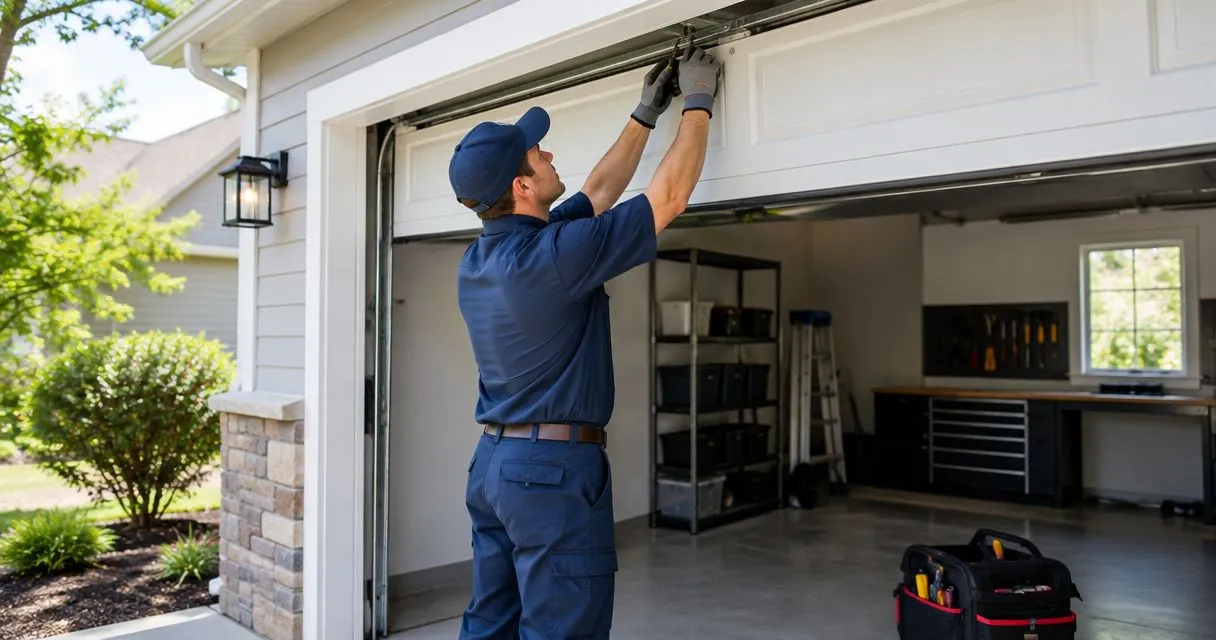
AI-generated illustration; not a Derby Strong customer project.