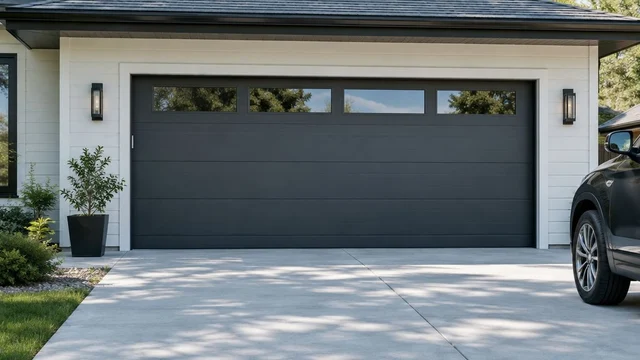
Yes, you can paint a garage door if its manufacturer permits repainting and the panels are sound. Use an exterior coating approved for the door’s material and existing finish; exterior acrylic latex is an option for many paintable doors, but not a universal choice. Paint changes appearance—it does not fix rusted-through panels, rotting wood, damaged hardware, or a door that binds.
TL;DR
- Can you paint a garage door? Yes, when its material, factory finish, and condition allow repainting.
- Choose exterior paint by substrate and manufacturer instructions, not color alone.
- Keep coatings off springs, cables, tracks, rollers, seals, and moving joints.
- Derby Strong provides garage door repair and installation; mechanical damage needs attention before cosmetic work.
Why This Matters for Your Door
A garage door combines a large exterior surface with moving sections, weather seals, and loaded hardware. Treating it like a wall can leave paint stuck to seals or bridging joints. The finish also needs to adhere to what is already on the door, not just the material underneath.
For a Louisville homeowner deciding whether faded paint hides a bigger problem, start with repair versus replacement. Repaint a serviceable door; assess damage before covering it. A color change is a cosmetic project, not a reason by itself to replace working equipment.
Can you paint a garage door, and which paint should you use?
You can repaint many steel, wood, aluminum, fiberglass, and composite garage doors, but each surface needs its own approved preparation and coating system. Identify the material and find the door manufacturer’s refinishing instructions before buying primer or paint. A factory wood-look finish, protective topcoat, or specialty surface can have different restrictions from ordinary painted steel.
| Door surface | Best for | Paint-selection approach | Main limitation |
|---|---|---|---|
| Painted steel | Refreshing sound, faded panels | Exterior coating approved for the existing finish and steel substrate | Exposed metal and corrosion need appropriate treatment first |
| Wood | Renewing a paintable wood door | Exterior wood primer and compatible topcoat, as specified | Paint cannot stabilize rotten or persistently wet wood |
| Aluminum | Recoloring a paintable metal surface | Coating system approved for aluminum and its existing finish | Incorrect preparation can cause poor adhesion |
| Fiberglass or composite | Updating a manufacturer-approved surface | Follow the exact substrate and finish requirements | Some surfaces and dark colors have restrictions |
| Specialty factory finish | Preserving a decorative surface | Obtain explicit refinishing instructions | Repainting can permanently cover the original effect |
The best garage door paint is the coating approved for the actual surface—not simply a can labeled exterior. Check the primer, topcoat, cleaning method, color restrictions, and application conditions as a system. A compatible topcoat cannot compensate for loose paint underneath it.
Which paint should you use on a steel garage door?
Best for: sound steel panels with an approved paintable finish. Exterior acrylic latex is a candidate when the door manufacturer approves it for that finish. Bare steel, galvanized surfaces, and factory-coated panels do not automatically share the same primer requirements.
Steel offers a repaintable surface when the coating system is compatible, but corrosion changes the job. Loose rust, blistering, or exposed metal needs assessment and preparation before topcoating. Rust-through, weakened panel edges, and damage around attachment points require repair evaluation rather than concealment.
Do not grind, drill, or remove loaded hardware to reach a rusty spot. Leave springs, cables, bottom brackets, and related repairs to a garage door professional.
Which paint should you use on a wood garage door?
Best for: dry, structurally sound wood approved for painting. Choose an exterior wood coating system compatible with the existing paint. Follow its instructions for exposed wood, filled areas, and primer coverage.
Paint can refresh a sound wood door, but it will not resolve the moisture source behind recurring peeling. Soft wood, separating joints, and persistent dampness need attention first. Painting over those conditions hides the evidence without correcting the problem.
A previously stained door also needs a deliberate preparation plan. Do not assume paint will bond directly to a stain, clear finish, or water-repellent treatment.
What about aluminum, fiberglass, and composite doors?
Best for: doors whose manufacturer explicitly permits field painting. Select the coating by the identified substrate and factory finish. These materials are not interchangeable, even when their raised-panel designs look similar from the driveway.
Their advantage is that an approved repaint can change the appearance without replacing sound panels. Their limitation is finish compatibility: the wrong cleaner, abrasive, primer, or color can create a problem that was not there before.
If you cannot identify the door, look for an accessible product label without dismantling anything. Photograph the label and exterior surface, then request the manufacturer’s current painting instructions. Avoid guessing from appearance alone.
How do you prepare a garage door for painting safely?
Keep cosmetic preparation separate from mechanical work. You can observe the surface and follow approved cleaning instructions, but spring, cable, track, bracket, and high-tension repairs belong to a professional.
Identify the finish
Find the door’s material, model information, and refinishing instructions. Keep the existing coating in mind: you are usually painting that coating, not a clean sheet of raw material. Record the chosen primer and topcoat so you can check their compatibility before opening either container.
Check the condition
Look from a safe position for peeling, corrosion, cracks, dents, loose trim, and damaged seals. Do not operate a visibly damaged, crooked, or off-track door to inspect more of it. If the door already scrapes, jerks, or struggles, stop the painting plan until the fault is assessed.
Clean and dry
Use the cleaning method permitted by the door and coating manufacturers. Remove surface contamination and rinse as directed, then let the surface dry as required. Avoid directing water into electrical components or relying on aggressive washing to strip a finish.
A cleaned door is also easier to judge. Dirt can hide peeling edges and small corrosion spots that would otherwise show through the new coating.
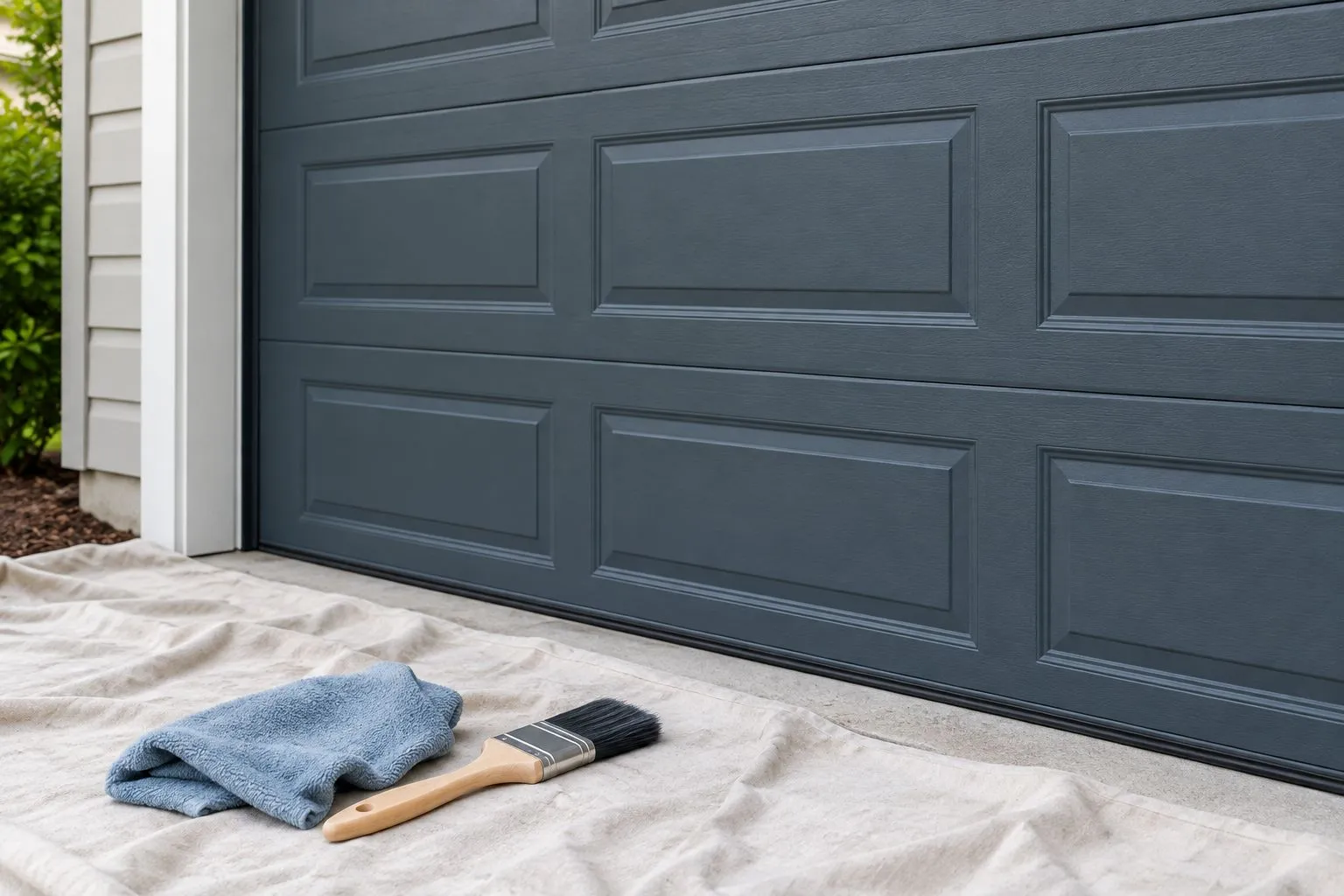
Illustrative image: prepare the panel surface without coating joints or weather seals.
Prepare the surface
Follow the specified method for removing loose coating and dulling glossy areas. Do not sand an unidentified older coating without first addressing the possibility of lead. EPA guidance on lead-safe renovation explains why disturbing older paint requires precautions.
Avoid aggressive sanding that strips a protective factory layer unnecessarily. If the instructions call for an adhesion test, complete it before committing to the whole door.
Protect moving parts
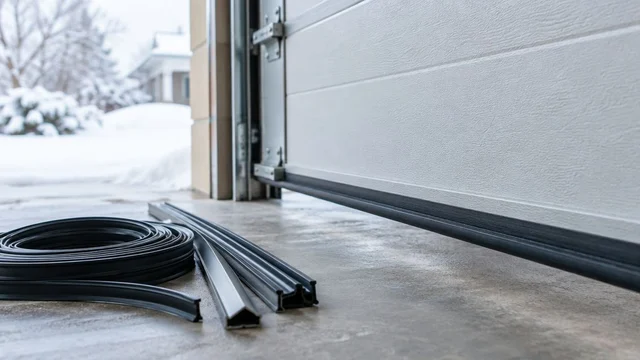
Keep paint away from rollers, tracks, hinges, springs, cables, bearings, sensor lenses, and weather seals. Do not remove bottom brackets or other loaded components to make masking easier. Never place fingers between sections.
Prevent anyone from activating the door during preparation or painting, following the opener and door manuals. Do not pull the emergency release on an open or damaged door as a shortcut to securing the work area.
Apply and cure
Follow the coating label for application method, coverage, recoat interval, and curing conditions. Keep paint from bridging panel joints or bonding the door to perimeter seals. Do not improvise a partially open working position or support a door with household objects.
Dry to the touch does not mean ready for contact with a weather seal. Follow the specified cure and return-to-service instructions before normal operation.
Why does a garage door paint job last differently from another?
Paint performance depends on the surface and application conditions, not just the product name. Compare these factors before blaming a coating for peeling:
- Existing adhesion: New paint depends on the old finish remaining attached. Loose layers remain a weak base.
- Surface contamination: Dust, grease, chalking, and cleaner residue can interfere with bonding.
- Material compatibility: Steel, aluminum, wood, and composites require suitable preparation and coatings.
- Moisture: Damp wood or trapped moisture can undermine a finish even when the visible surface looks ready.
- Application conditions: Surface temperature, humidity, direct sun, and rain exposure must satisfy the coating instructions.
- Moving contact: Paint on joints or seals can stick, tear, or interfere with movement.
For a Louisville painting project, use the actual forecast and panel conditions rather than a calendar assumption. A suitable season does not guarantee a suitable painting day.
Can a new color give you the garage door design you want?
Paint changes color and sheen, not panel proportions, window placement, or construction. A finish change cannot create a different physical door layout.
Best for: repainting when your existing door already has the shape and features you want. Its limitation is equally clear. If your goal requires windows, a different panel arrangement, or a different material, separate that installation decision from the paint decision.
Before choosing a dark color, confirm that the door manufacturer permits it. Dark surfaces absorb more solar energy than light surfaces, and some door systems restrict dark finishes. Do not assume a color is acceptable because another house has a similar-looking door.
View a sample beside the siding, masonry, and trim before painting the full surface. Judge sheen as well as color; a change in gloss can make existing surface irregularities more noticeable. Keep the final color code with your maintenance records.
When should you repair the door before painting it?
Repair comes first when the problem affects movement, structure, or weather protection. Paint belongs at the end of that sequence. It cannot straighten a bent panel, restore a damaged cable, or correct a track fault.
| What you notice | Appropriate next move | What paint will not do |
|---|---|---|
| Fading on intact panels | Confirm repainting instructions | Change the door’s construction |
| Loose coating or surface corrosion | Assess the substrate and preparation needs | Bond securely to loose material |
| Cracked, soft, or perforated panels | Arrange a repair assessment | Restore lost strength |
| Crooked travel, loose cables, or scraping | Stop using the door and seek professional service | Correct a mechanical fault |
Derby Strong is a garage door service option for Louisville homeowners who need repair or installation rather than a cosmetic repaint. The service decision should follow the condition of the door, not the desire to sell a replacement.
When you schedule a garage door assessment, describe the operating problem separately from the finish problem. Tell Derby Strong whether the door is closed, visibly damaged, or blocking your vehicle, and provide accessible label information without dismantling the door.
Can you paint a garage door without sanding it?
You can skip sanding only when the approved coating system allows it for the existing surface. Cleaning alone does not guarantee adhesion to glossy, chalky, or failing paint. Follow the specified preparation method rather than treating a bonding primer as permission to ignore it.
Can you paint a garage door while it is closed?
A closed door exposes much of the exterior face, but it does not make every edge safe or accessible. Follow the door manufacturer’s procedure for section edges and seals. Do not reach into joints, alter hardware, or force the door into a position to reach hidden areas.
Can you paint a commercial overhead door the same way?
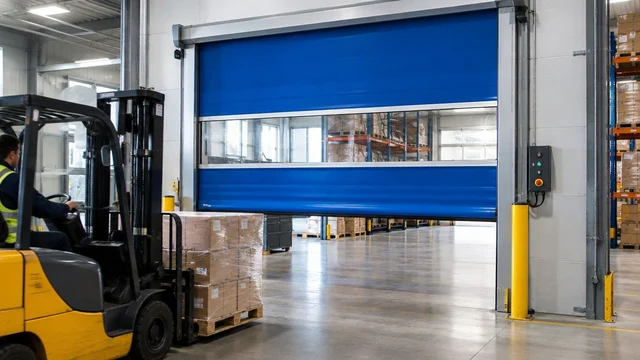
A commercial overhead door needs its own manufacturer-approved refinishing plan. Do not transfer residential sectional-door instructions to rolling steel curtains, specialty finishes, or fire-rated assemblies. Coordinate the work with building operations and keep required labels and safety devices unobstructed.
Frequently Asked Questions
Can you paint a garage door yourself?
You can paint an approved, sound garage door yourself if you can follow the manufacturer’s preparation and safety instructions. Leave mechanical faults and loaded hardware to a garage door professional.
What kind of paint should I use on a metal garage door?
Use an exterior coating approved for the specific metal and existing finish. Steel, galvanized surfaces, and aluminum can require different preparation and primers.
Do I need primer before painting my garage door?
You need primer wherever the approved coating system requires it. Bare material, repaired areas, and certain existing finishes can need different treatment from intact painted panels.
Can I paint my garage door black?
Paint your garage door black only if the door manufacturer permits that color and coating system. Some materials and assemblies have restrictions on dark finishes.
Should I paint the garage door tracks and springs?
Do not include tracks, springs, cables, rollers, or other moving hardware in a cosmetic panel-painting project. Keep paint off weather seals and safety sensors as well.
How long should garage door paint dry before I open it?
Follow the coating manufacturer’s drying, curing, and return-to-service instructions. Surface dryness alone does not establish that the finish can contact seals or move without damage.
Can painting fix a rusty garage door?
Painting cannot restore metal lost to corrosion. Have deep corrosion, perforation, or damage near hardware assessed before treating the remaining surface.
One Last Thing Before You Decide
The easiest detail to overlook is where fresh paint touches a seal. A good-looking panel can still stick if the coating has not cured enough for contact. Plan that part of the job before you start, not when you need to leave the garage.
Save the door instructions, coating labels, and color code together. That record makes the next touch-up a compatibility decision instead of a guess.
Related Garage Door Guides
- Garage door colors and finishes for curb appeal
- Garage door materials for Kentucky homes
- Garage door maintenance checklist
Local service: Garage door repair in Louisville · Garage door repair in Lexington · Garage door repair in Northern Kentucky