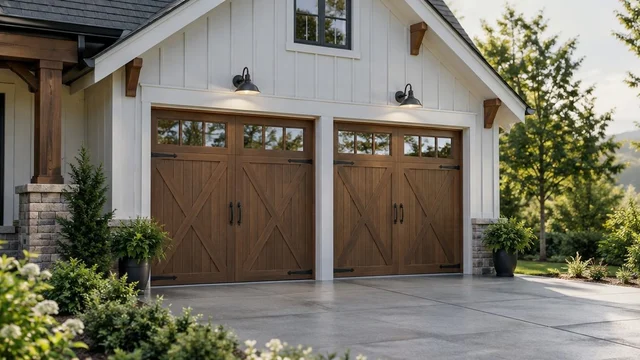
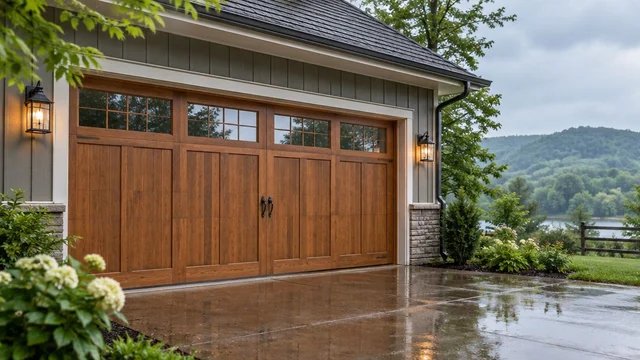
Best starting point: frosted aluminum-and-glass garage doors for daylight with reduced visibility. Best for conditioned garages: thermally broken frames with insulated glazing. Best for unobstructed views: clear glass. For Kentucky homeowners, the right choice starts with how you use the garage—not the frame color.
TL;DR
- For aluminum glass garage doors Kentucky homeowners should compare privacy, whole-door thermal performance and installation fit before appearance.
- Frosted glass is the starting choice for daylight with reduced visibility, but silhouettes can remain visible.
- Thermally broken frames and insulated glazing deserve priority when you heat or cool the garage.
- Derby Strong provides garage door installation; confirm the exact frame, glazing and hardware specifications before ordering.
Why This Matters for Your Door
A full-view garage door changes more than the front of your house. It changes what people see inside, how sunlight enters and which surfaces separate your garage from outdoor temperatures.
Choose the glass before choosing the finish. A dark frame cannot correct an unwanted view into your garage, and frosted glass does not establish an insulation rating. Start with the sightlines covered in this guide to choosing private garage door windows in Louisville, then compare complete door specifications.
Derby Strong installs garage doors for homeowners in Louisville, Lexington and Northern Kentucky. This guide compares configurations rather than manufacturer models: use it to define what your installation proposal needs to include.
What makes the best aluminum-and-glass garage door?
Judge each configuration against these criteria before choosing a look:
- Privacy: Decide whether people outside should see objects, movement or neither. Test the proposed glass with light behind it.
- Thermal performance: Compare the complete assembly, including the frame, glazing and seals. Insulated glass alone does not describe the whole door.
- Daylight and glare: Decide whether you want a clear view, softened light or reduced light transmission. Those are different goals.
- Installation fit: Have the opening, headroom, side clearance and backroom measured against the proposed track and opener arrangement.
- Serviceability: Ask how damaged glazing is replaced and which cleaning methods the manufacturer permits.
- Operating system: Match springs, tracks, hardware and opener requirements to the finished door—not the appearance or material of the old one.
Aluminum-and-glass garage doors at a glance
These are configuration choices, not separate product lines. Some can be combined, such as frosted insulated glazing in a thermally broken frame.
| Configuration | Best for | Standout feature | Key limitation |
|---|---|---|---|
| Frosted aluminum-and-glass door | Daylight with reduced visibility | Obscures detail while admitting light | Backlit silhouettes can remain visible |
| Thermally broken frame with insulated glazing | Garages you heat or cool | Addresses heat transfer through both frame and glass | Complete-door performance still needs verification |
| Clear aluminum-and-glass door | Unobstructed views | Maintains a direct sightline through the door | Exposes the garage interior |
| Tinted aluminum-and-glass door | Managing brightness and appearance | Changes light transmission and exterior appearance | Tint does not guarantee nighttime privacy |
1. Frosted aluminum-and-glass doors: best for privacy with daylight
Frosted glazing interrupts a clear view through the door while still admitting light. It suits homeowners who want a full-view appearance without displaying every shelf, tool and storage bin.
The important distinction is between obscured detail and complete concealment. Strong interior lighting can make movement and silhouettes visible through some privacy glazing, especially when someone stands close to it.
Frosted door pros:
- Admits daylight without a clear view of stored belongings.
- Softens the appearance of a busy garage interior.
- Gives you a privacy-focused starting point for comparing samples.
Frosted door cons:
- Does not guarantee that people or objects disappear from view.
- The word “frosted” does not establish thermal performance.
- Surface treatments have manufacturer-specific cleaning requirements.
Best for: A garage facing a street, driveway or neighboring property where daylight matters more than a view out.
Ask whether the obscuring effect comes from the glass itself, a coating or an applied treatment. Get the cleaning instructions before accepting the final specification.
Verdict: Buy frosted glazing when reduced visibility is your main goal, after checking a backlit sample.
2. Thermally broken frames with insulated glazing: best for conditioned garages
Insulated glazing separates panes with a sealed space. A thermal break interrupts the conductive path through the aluminum frame; these features address different parts of the door.
Neither feature makes an assembly equivalent to an insulated solid-panel door. Compare documented whole-door performance rather than assuming that a glass package or frame description tells the complete story.
Thermally improved door pros:
- Addresses the frame as well as the glazing.
- Gives heated or cooled garages a more relevant specification to investigate.
- Can be evaluated alongside privacy and sunlight-control requirements.
Thermally improved door cons:
- Insulated glazing alone leaves frame performance unresolved.
- Condensation still depends on indoor humidity and surface temperature.
- A glass-only rating cannot establish whole-door performance.
Best for: A garage you deliberately heat or cool, where full-view styling remains a priority.
For thermal comparisons, a lower U-factor indicates less heat transfer when ratings use a comparable scope and method. Do not compare a glass-only value with a complete-door value. The guide to R-value versus U-factor for Northern Kentucky buyers explains that distinction.
Verdict: Hold until the proposal documents both the frame construction and the scope of its thermal rating.
3. Clear aluminum-and-glass doors: best for unobstructed views
Clear glazing preserves a direct view through the closed door. It fits a garage where seeing outside—and allowing others to see inside—is an intentional part of the design.
Treat that visibility as a permanent feature, not a detail to solve after installation. Vehicles, storage, lighting and people inside remain part of the view.
Clear door pros:
- Provides an unobstructed sightline through the glazing.
- Shows the interior layout rather than obscuring it.
- Makes the visual connection between driveway and garage explicit.
Clear door cons:
- Offers no obscuring layer for belongings or activity.
- Direct sunlight can create unwanted glare.
- Smudges and water marks remain visible on the glass.
Best for: An intentionally visible garage interior where privacy is not a requirement.
Before choosing clear glass, stand at the public-facing side of the opening and consider the view after dark with the garage lights on. Do not assume daytime reflections will conceal the interior at night.
Verdict: Buy clear glazing only when you want the view in both directions.
4. Tinted aluminum-and-glass doors: best for brightness control
Tinted glazing changes how much visible light passes through the door and changes its appearance. Evaluate the actual sample; a color name does not tell you how the finished garage will feel.
Tint is also not interchangeable with frosting, insulation or solar-control performance. Ask for the properties of the exact glazing rather than assigning those benefits to every dark pane.
Tinted door pros:
- Provides a way to adjust visible light transmission.
- Changes the contrast between glass and frame.
- Lets you compare brightness preferences using physical samples.
Tinted door cons:
- Does not guarantee privacy when the interior is illuminated.
- Reduces daylight as well as unwanted brightness.
- Appearance alone does not establish solar heat-gain performance.
Best for: A garage where brightness and the appearance of the glass are the main design questions.
If sunlight is the concern, ask for visible transmittance and solar heat-gain information for the proposed glazing. Those properties answer different questions; neither can be read reliably from a small marketing photograph.
Verdict: Hold until you have compared the sample in the light conditions you want to manage.
Check the opening before committing to full-view glass
A door that looks right in a photograph still needs a workable installation. Have a professional record these conditions before finalizing the order:
- Opening: Finished width and height, jamb condition and the mounting surfaces.
- Headroom: Space above the opening for the specified hardware.
- Side clearance: Space beside the opening for tracks and other required components.
- Backroom: Space into the garage, including conflicts with storage, lighting or equipment.
- Opener fit: The arrangement permitted for the exact door and track configuration.
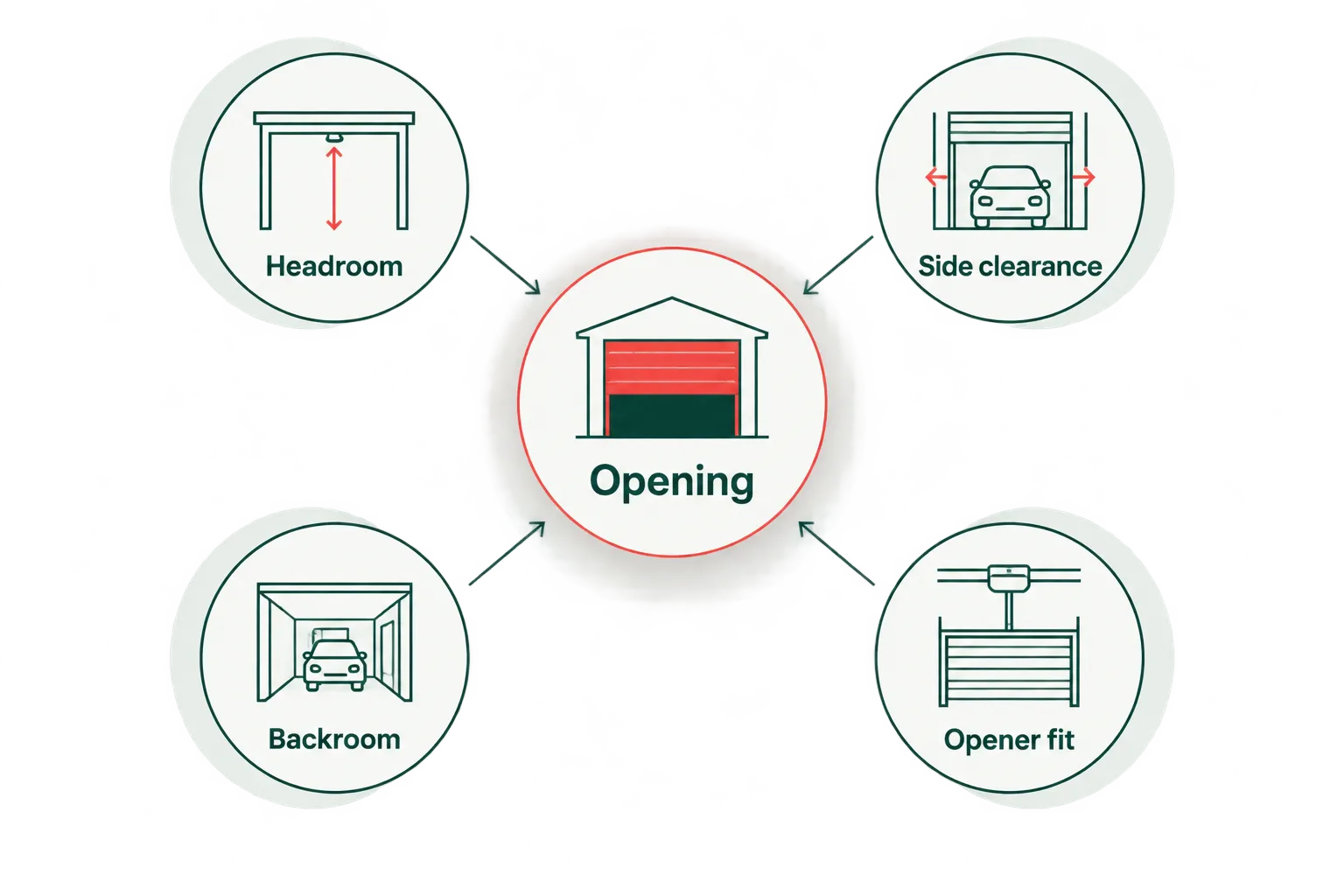
Confirm installation clearances before selecting the final door configuration.
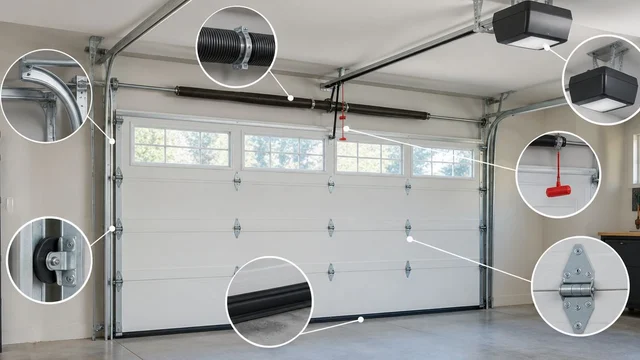
Do not assume an aluminum frame makes the complete door light enough for existing hardware. Glass, dimensions and construction all affect the finished assembly. Springs, cables, brackets and tracks require professional selection and installation.
Match the opener to the finished door
Choose the door specification first, then confirm the opener arrangement. Reusing an opener requires checking its condition, manufacturer requirements and compatibility with the completed installation—not just whether it operated the previous door.
An opener is not a substitute for correct spring balance. Never increase opener force to overcome binding, damaged hardware or a door that is difficult to move.
When comparing garage door opener options, separate convenience features from installation requirements: remote controls do not establish that an operator suits the door’s weight, travel or track layout. Have the installer identify the proposed operator and explain why it fits the finished assembly.
Keep opener work and door work in the same installation discussion. That prevents a glass-door decision from leaving unresolved clearance, reinforcement or operating-system questions.
What your installation proposal should specify
A useful proposal identifies the assembly you are buying. “Aluminum and glass” is a category description, not a complete specification.
Ask for these details in writing:
- Exact manufacturer and door identification.
- Frame construction and whether a thermal break is included.
- Glass type, appearance, pane construction and safety-glazing specification.
- Thermal-rating scope, where performance is part of the decision.
- Track arrangement, spring system and opener plan.
- Perimeter seals, bottom seal and opening preparation.
- Removal responsibilities and any required finishing work.
For a 2026 installation, request current documentation for the proposed configuration. Confirm that drawings and samples match the written proposal before authorizing the order.
Derby Strong provides aluminum-and-glass garage door installation guidance for homeowners comparing these choices. Use the contact page to discuss your opening, privacy priorities and intended garage use; confirm the exact configuration during that discussion.
Safe observations before an installation visit
You can prepare without touching loaded hardware. Photograph the closed door from inside and outside, note whether the garage is heated or cooled, and identify anything stored near the tracks or ceiling.
Record where unwanted views or glare occur. A daytime photograph and your observations after dark answer different questions, especially when deciding between clear, tinted and frosted glazing.
Do not loosen bottom brackets, adjust springs, disconnect cables or remove glazing retainers. If the existing door is crooked, has loose cables or contains cracked glass, stop operating it and keep people clear until a professional assesses it.
How these configurations are ranked
This ranking prioritizes a usable residential garage over appearance alone: privacy first for the general starting choice, then thermal needs, visibility and brightness control. It is a configuration guide, not a claim that a particular manufacturer outperforms another.
Frosted glazing leads because it addresses the conflict between wanting daylight and not wanting a clear view inside. A conditioned garage changes the priority: documented frame and glazing performance comes first.
Which aluminum-and-glass garage door should you choose?
Start with frosted glazing if you want daylight without a clear view into your garage. Move thermal performance to the top of the list when you heat or cool the space. Choose clear glass only when visibility is intentional, and choose tint only after evaluating the actual light transmission.
Derby Strong is best suited to homeowners who need garage door installation service in Louisville, Lexington or Northern Kentucky. Bring the installer a clear brief: how you use the garage, what should remain private and which existing equipment you hope to retain.
Frequently Asked Questions
What’s the best aluminum-and-glass garage door for a Kentucky home?
Frosted glazing is the starting choice when you want daylight with reduced visibility into the garage. If you heat or cool the space, prioritize documented whole-door thermal performance instead of choosing by appearance alone.
Can people see through frosted garage door glass at night?
Frosted garage door glass can show silhouettes and movement when the interior is illuminated. Check the exact sample with light behind it rather than assuming all privacy glazing conceals the same amount.
Are aluminum-and-glass garage doors insulated?
Some configurations use insulated glazing and thermally broken frames, but the material description alone does not establish insulation performance. Request the exact construction and check whether any rating covers the glass or the complete door.
Is tinted garage door glass better than frosted glass for privacy?
Tinted glass is not a dependable substitute for obscuring glass when privacy is the goal. Tint changes light transmission, while frosting interrupts a clear view; neither should be selected without checking backlit visibility.
Can I keep my opener when installing a glass garage door?
You can keep an existing opener only if its condition and specifications suit the new installation. Have a professional verify the finished door, track arrangement, reinforcement and manufacturer requirements before planning reuse.
Will an aluminum-and-glass garage door stop condensation?
An aluminum-and-glass garage door does not guarantee freedom from condensation. Condensation depends on moisture in the air and surface temperature, so glazing, frame construction and indoor humidity all matter.
Should I replace my garage door just to get more daylight?
You do not automatically need a full-view replacement to get more daylight. Have a professional assess whether an appropriate windowed-door option or a compatible modification meets your needs without replacing otherwise serviceable equipment.
One Last Thing Before You Decide
The most revealing glass sample is the one you look through with light behind it. Before approving privacy glazing, place the sample between you and an illuminated object or person, then check what remains visible. A sample resting on a desk cannot answer that question.
Related Garage Door Guides
- Is a full-view glass garage door practical for a Lexington home?
- Can a low-ceiling Northern Kentucky garage fit a new door?
Local service: Garage door repair in Louisville · Garage door repair in Lexington · Garage door repair in Northern Kentucky