Commercial sectional steel
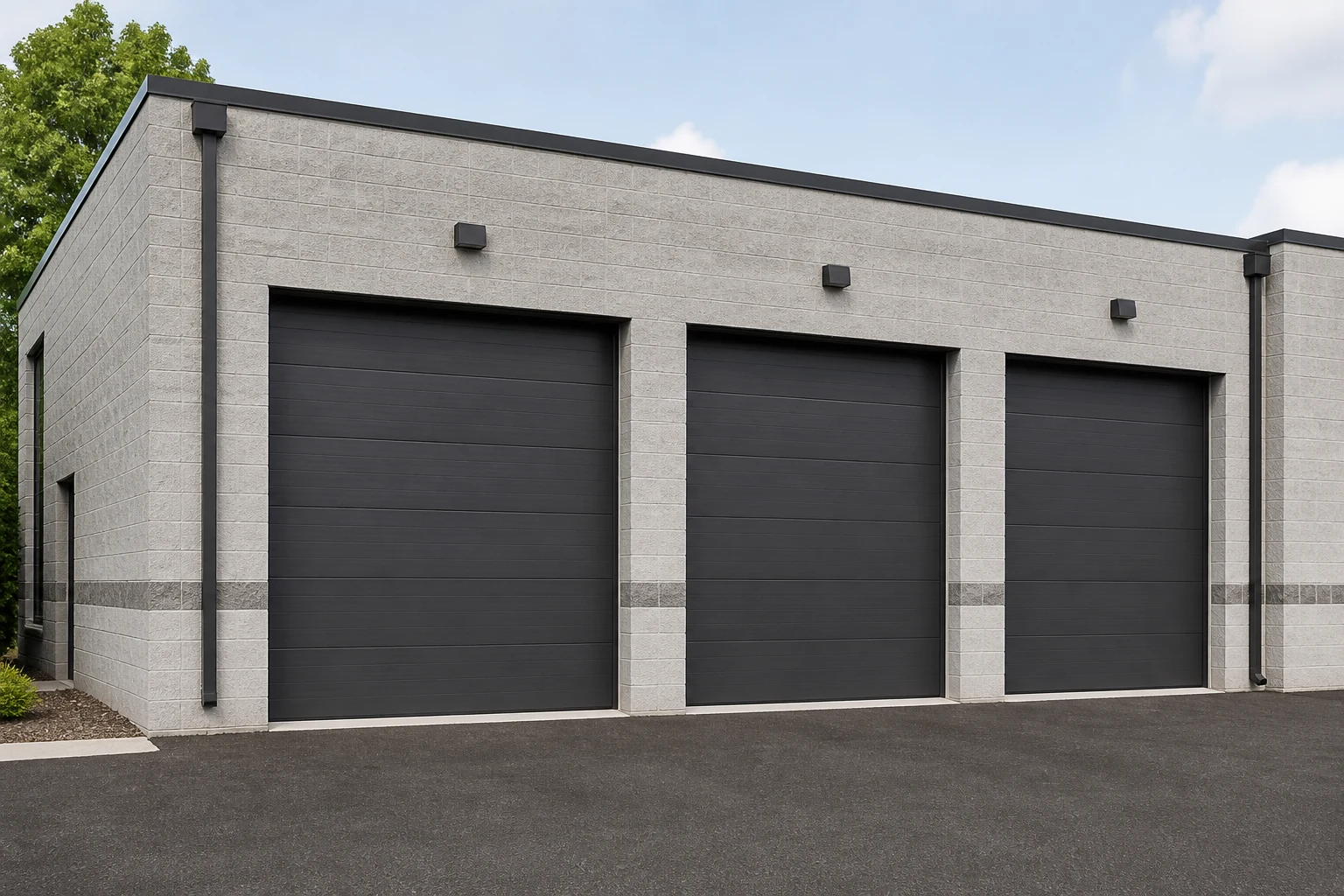
Hinged sections travel on tracks and can support insulation, windows, and multiple lift arrangements.
Inland from Portland Wharf Park, commercial and specialty door installation mostly meets older construction with little headroom. A rolling steel curtain coils above the opening there, and a fire door carries the rating of the wall it closes.
Older buildings inland from Portland Wharf often suit rolling steel.




Commercial Systems Explained
Commercial overhead doors are built for openings that work harder than a home garage, such as warehouses, service bays, shops, fleet buildings and loading docks. They come in larger sizes, heavier construction and higher cycle ratings than residential doors.
The main systems are insulated sectional doors, rolling steel doors that coil above the opening, and aluminum full-view doors for showrooms and service areas. Operators, controls and safety devices are chosen for how often the door runs.
Every commercial door is quoted from a site visit. In Louisville, Lexington and Northern Kentucky, we document the opening, structure, clearances, traffic and power, then schedule the installation with your team.
Door Families
Hinged sections travel on tracks and can support insulation, windows, and multiple lift arrangements.
Interlocking slats coil above the opening for security and compact overhead storage.
Aluminum and glazed sections create visibility for service, showroom, and interior applications.
Purpose-built systems address speed, cycles, fire, impact, airflow, security, or other operating needs.
Common Applications
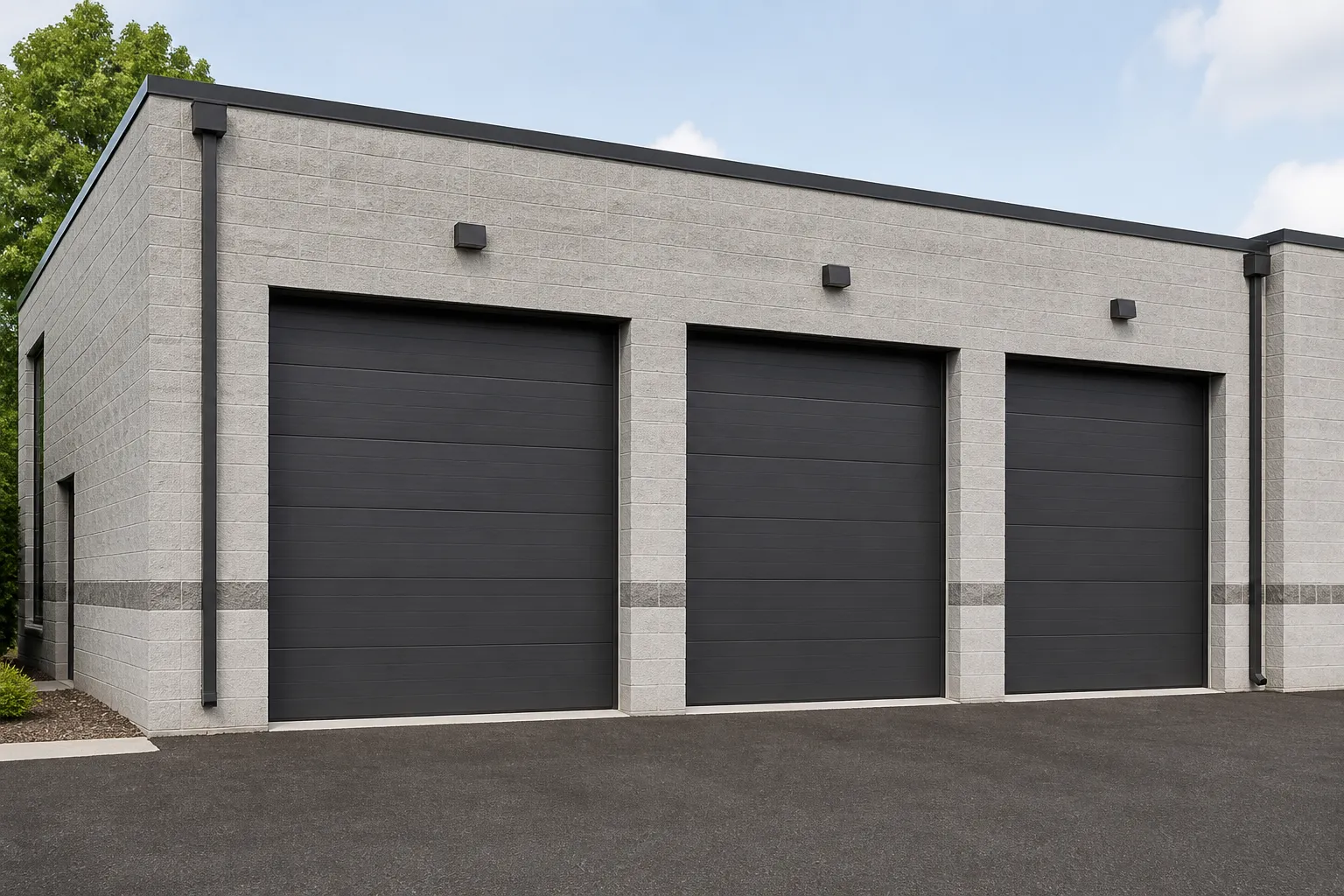
A practical choice for shops, warehouses, loading areas, and service facilities.
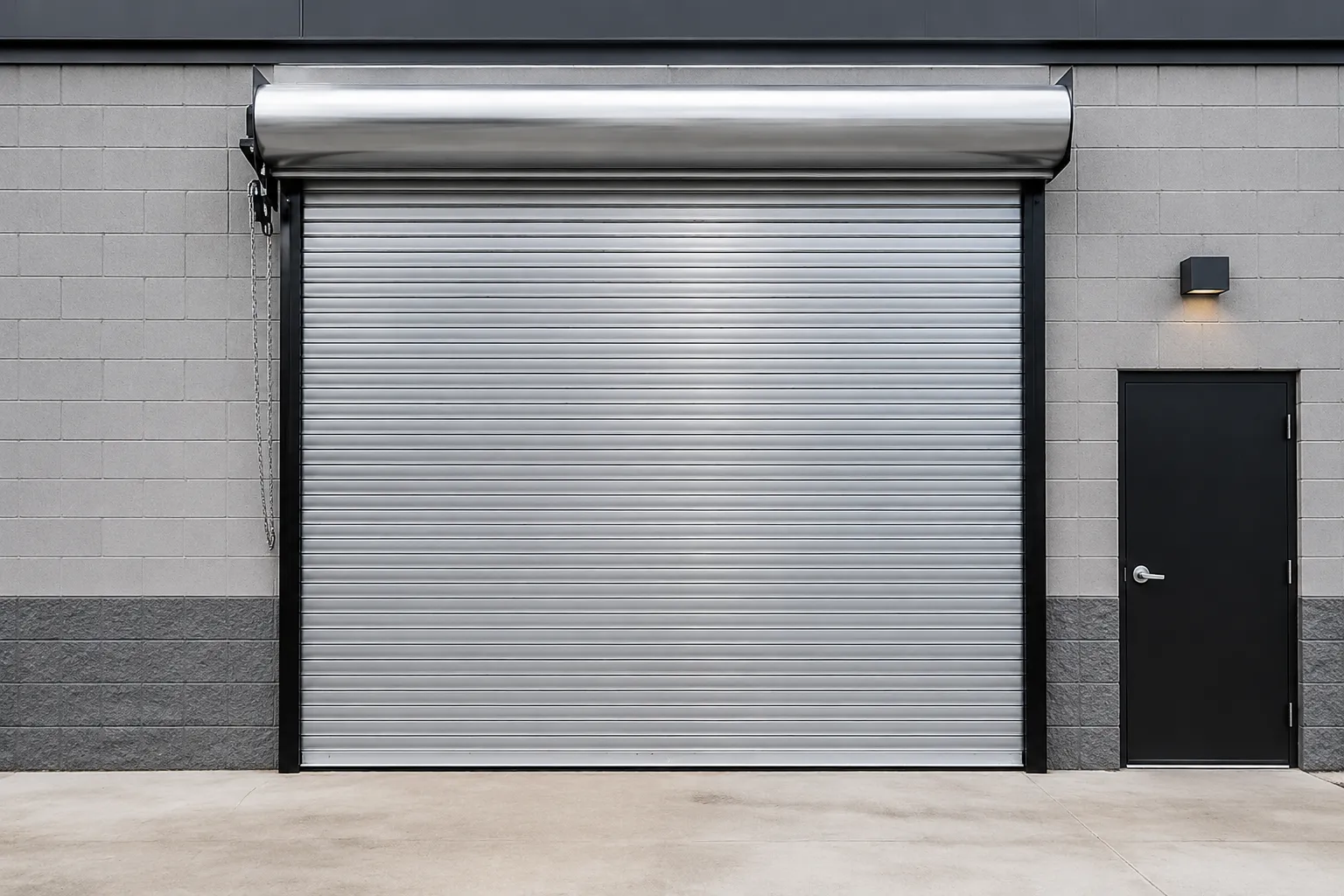
A compact coil system for security and openings where horizontal track is undesirable.
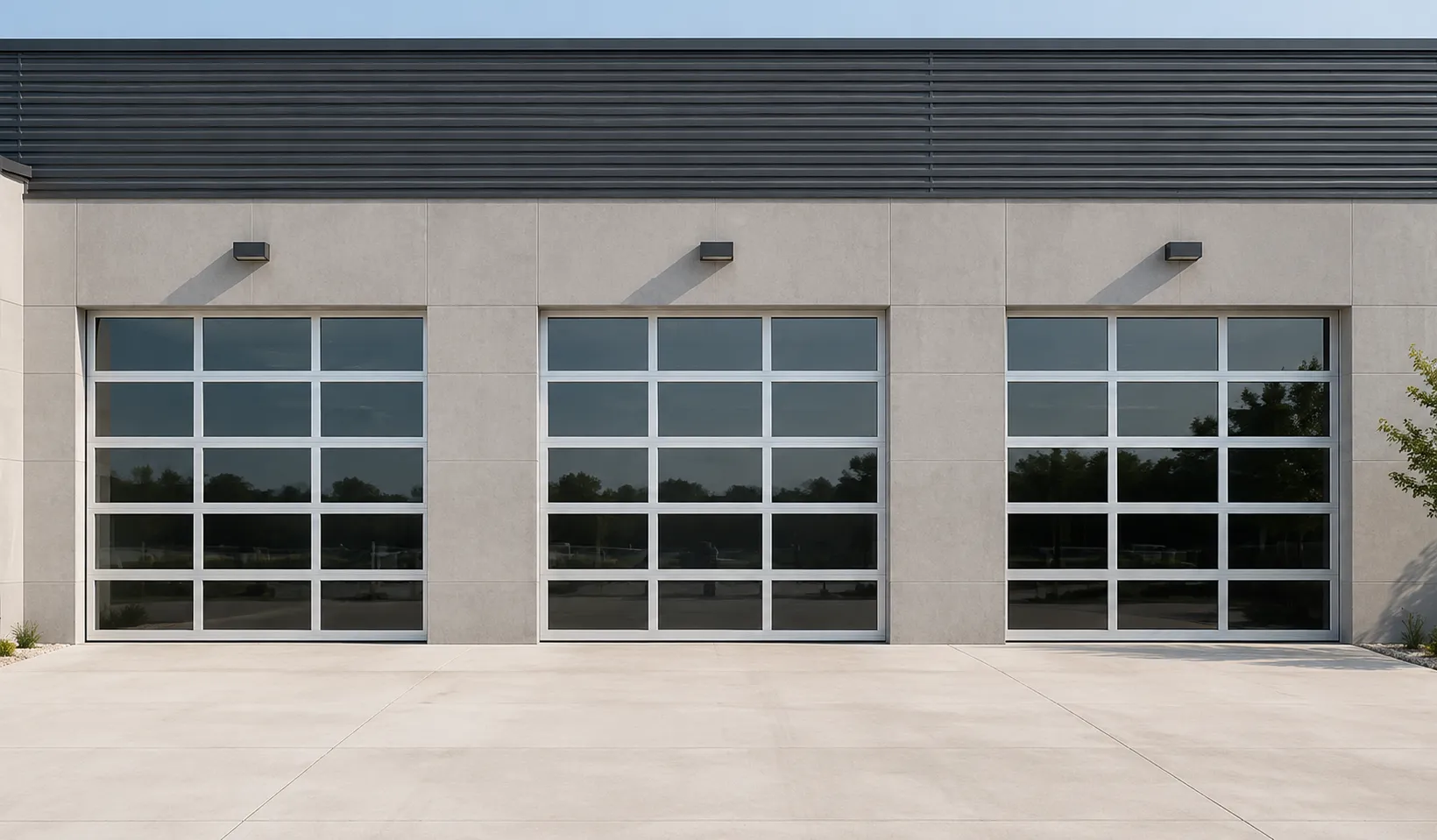
Broad glazing supports visibility and daylight in showrooms and automotive bays.
Finishes and Materials
Bright, simple commercial finish.
Common neutral for industrial buildings.
Warm neutral for masonry and metal buildings.
Dark contemporary service-bay finish.
High-contrast architectural option.
Selected sectional, rolling, and aluminum systems offer project-specific finishes.
Before You Specify
The same opening needs different doors based on cycles, speed, wind, security, temperature, and traffic.
Cycles, speed and traffic set the door.
Speed and design-cycle life answer different questions and must be matched to peak and annual use.
Match speed and cycle life to real use.
Track, coils, hoods, operators, sprinklers, lights, HVAC, lifts, and structure compete for clearance.
Tracks, hoods and HVAC share clearance.
Protection, fire interfaces, egress, wind, electrical, permits, and AHJ review can change the assembly.
Code and permits can change the assembly.
Plan the Opening
From selection to installation
Survey openings, structure, clearances, equipment, utilities, power, traffic, environment, and controls.
Survey openings, structure and power.
Define performance and coordinate family, operator, safety, code, electrical, drawings, and responsibilities.
Define the door, operator and safety.
Install the approved door, counterbalance, tracks or guides, operator, controls, seals, and protection.
Door, operator and controls installed.
Commission travel and safety, train users, deliver documents, and establish maintenance needs.
Commissioned, users trained, docs delivered.
Interstate I-64 runs directly above the river levee beside Portland Wharf Park. The Portland floodwall was built after major flooding, when the old wharf below the Falls of the Ohio was razed. On the older construction inland, a rolling steel door often suits an opening with little headroom. Its curtain coils into a hood above the opening instead of running back under the ceiling.
A sectional door can also suit an older opening on low-headroom track, though it still runs back under the ceiling. For a service window, a counter door rolls down on a narrow curtain of its own. A fire door has to carry the rating of the wall it closes. Before a type is settled, we take the opening's width, headroom and side room. The springs and operator follow from that choice.
Commercial Door FAQ
No. Each commercial or specialty door gets priced for its own site. The price rests on opening, structure, environment and access, speed and duty cycle, code requirements, controls, safety devices, the operator and commissioning scope.
We confirm the schedule once the scope is approved, giving your team something to plan around. The date itself depends on product lead time and site readiness. Electrical and control work can move it, and so can equipment access or any permit or code coordination.
Our installation labor comes with a one-year warranty from us. The products you choose also carry their applicable manufacturer warranties, covering the door, finish, glass, hardware and operator. We go over those terms with you before you place the order.
Let the way the opening is used drive the decision. Count its openings each day, and note the size of the traffic using it. Work out the security, visibility and insulation the space needs. Taken with the headroom available, those answers point you to a rolling steel, specialty or sectional door and a suitable operator.
Each has its strengths. Sectional doors ride on tracks, insulate well, and can have windows or full-view aluminum sections. Rolling steel doors roll up into a hood above the opening. They save ceiling space and add security, but the guides, brackets and coil all need room.
Yes, you do. A door that cycles many times a day goes through its operator parts, rollers, cables and springs sooner than a home garage door would. Scheduled inspections, lubrication and safety-device testing let you find worn parts before they shut the door down, and your work with it.
Yes, they're different. A high-speed door is made to open and close quickly, which cuts down on drafts and wait times. A high-cycle door's springs and hardware are rated for many more openings over its service life. Some commercial doors are built for both.
It's a number you work out from your own day. Note the openings and closings on a typical day and on your heaviest ones, scale that up to a full year, and add room for growth. Then size the springs, operator and maintenance plan to match.
No-obligation consultation
Keep exploring
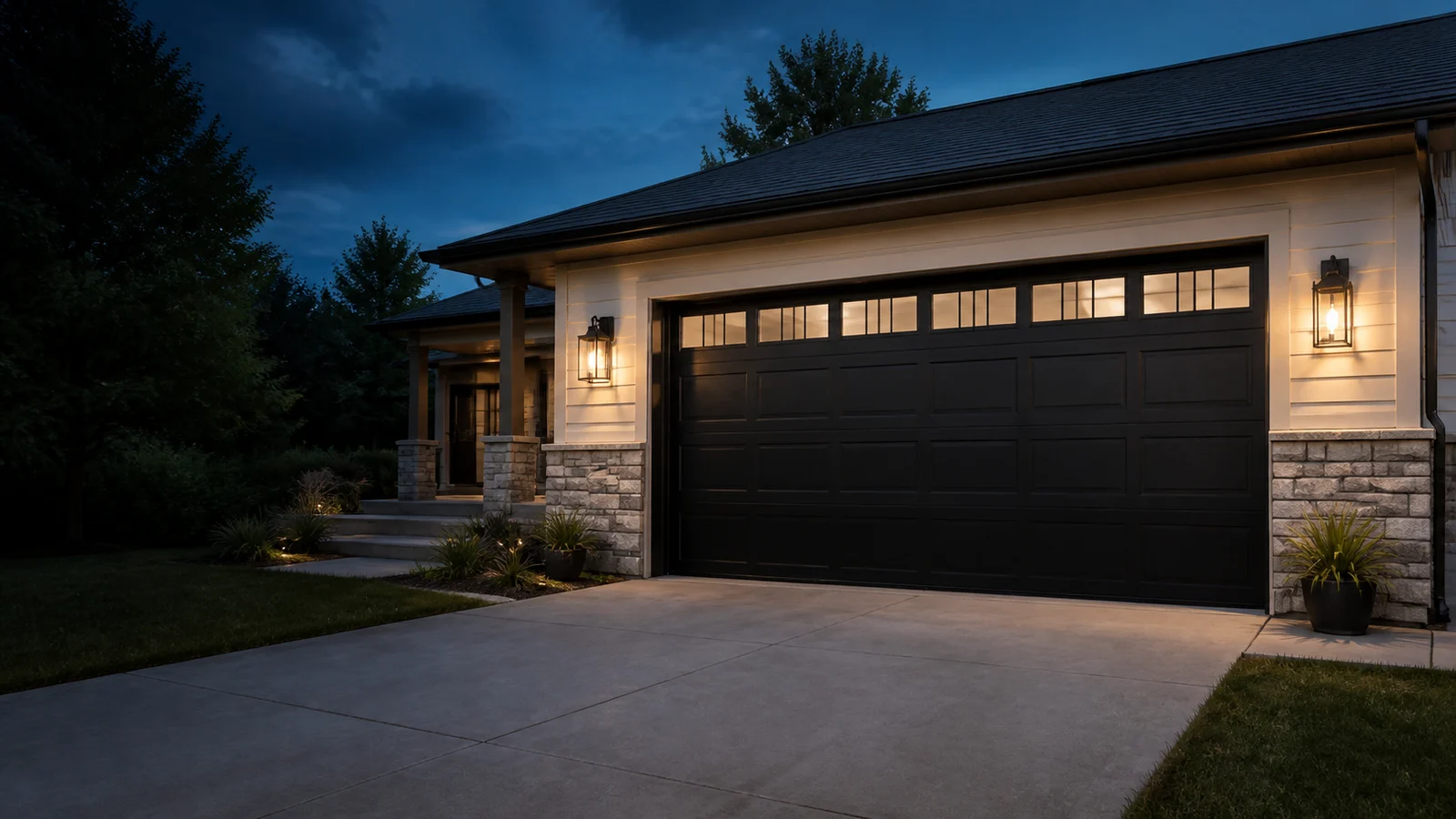
Durable, low-maintenance garage doors with flexible options for style, insulation, and budget.
Explore this door style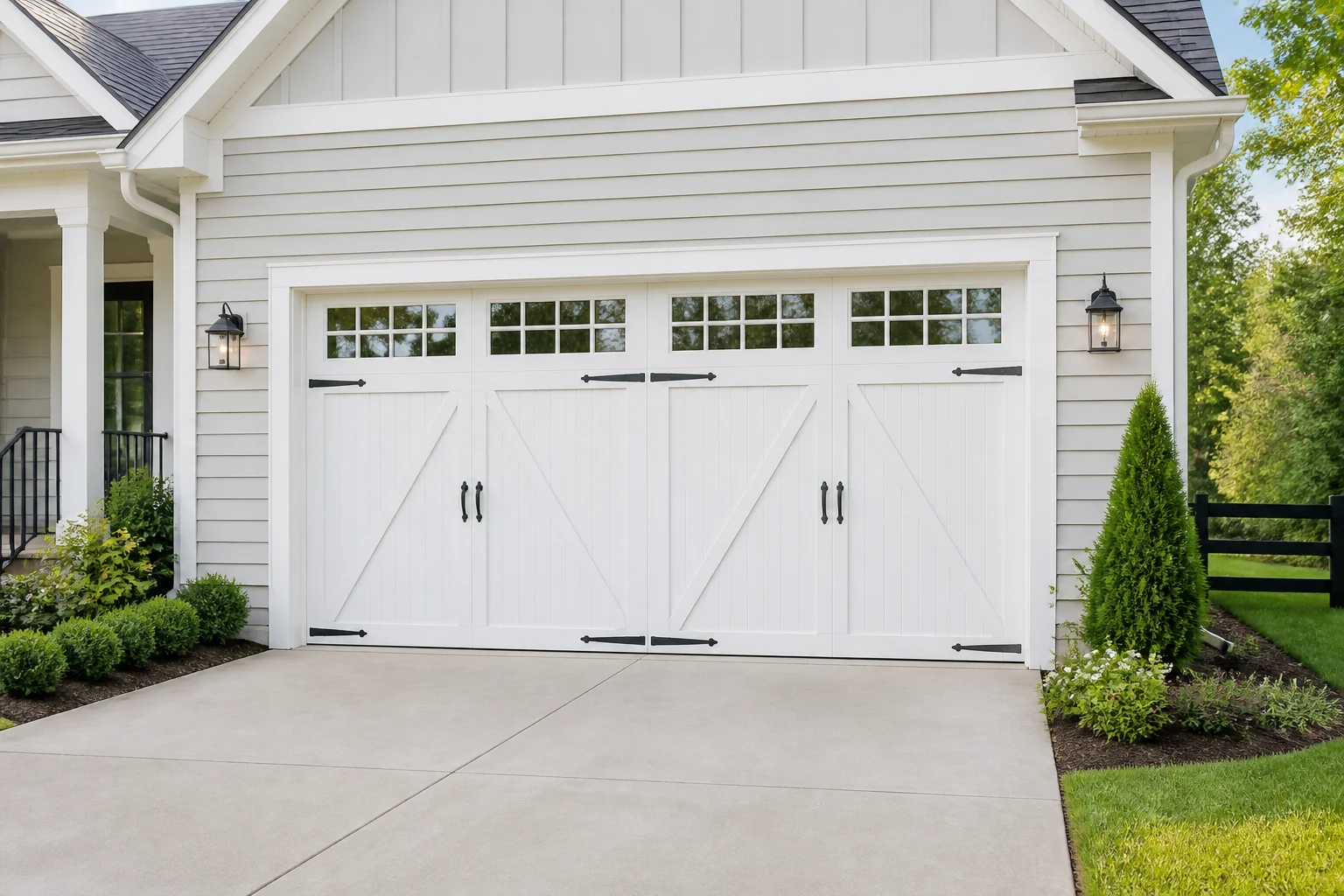
Stamped or overlay designs create a swing-door look while operating as a sectional overhead door.
Explore this door style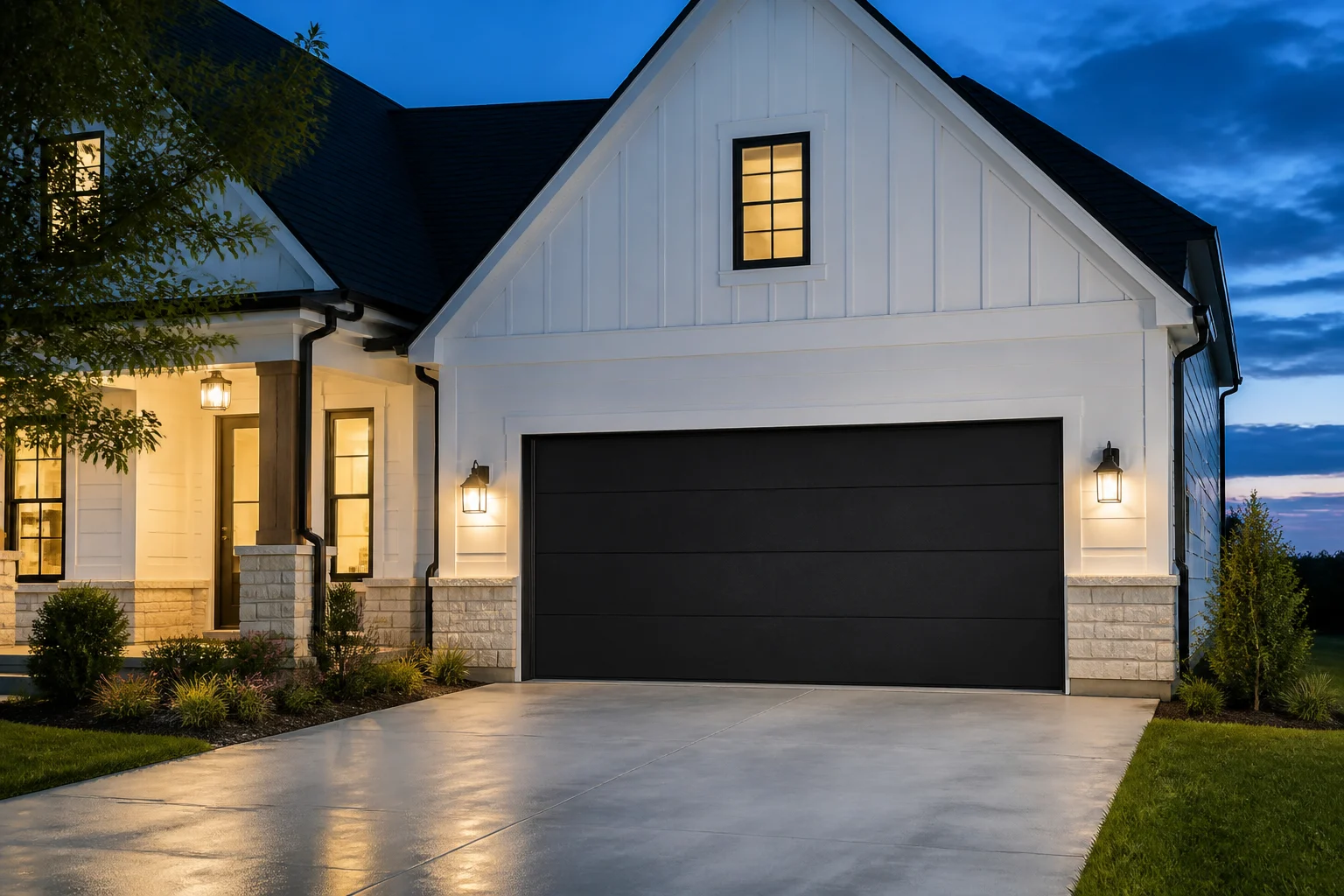
Flush faces, subtle grooves, plank lines, dark finishes, and asymmetric glass suit modern elevations.
Explore this door style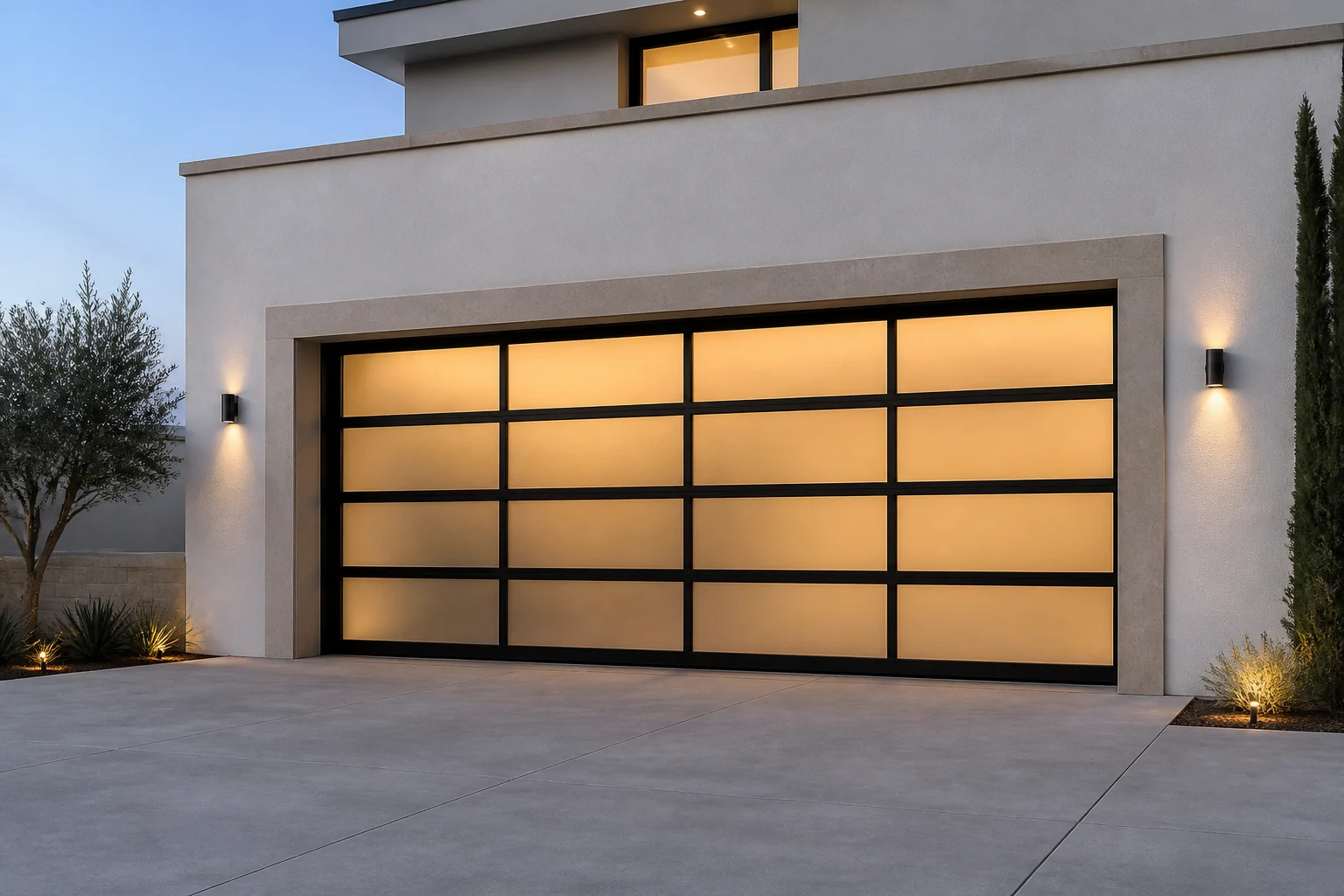
Aluminum frames and broad glass sections maximize light and create a distinctive architectural feature.
Explore this door style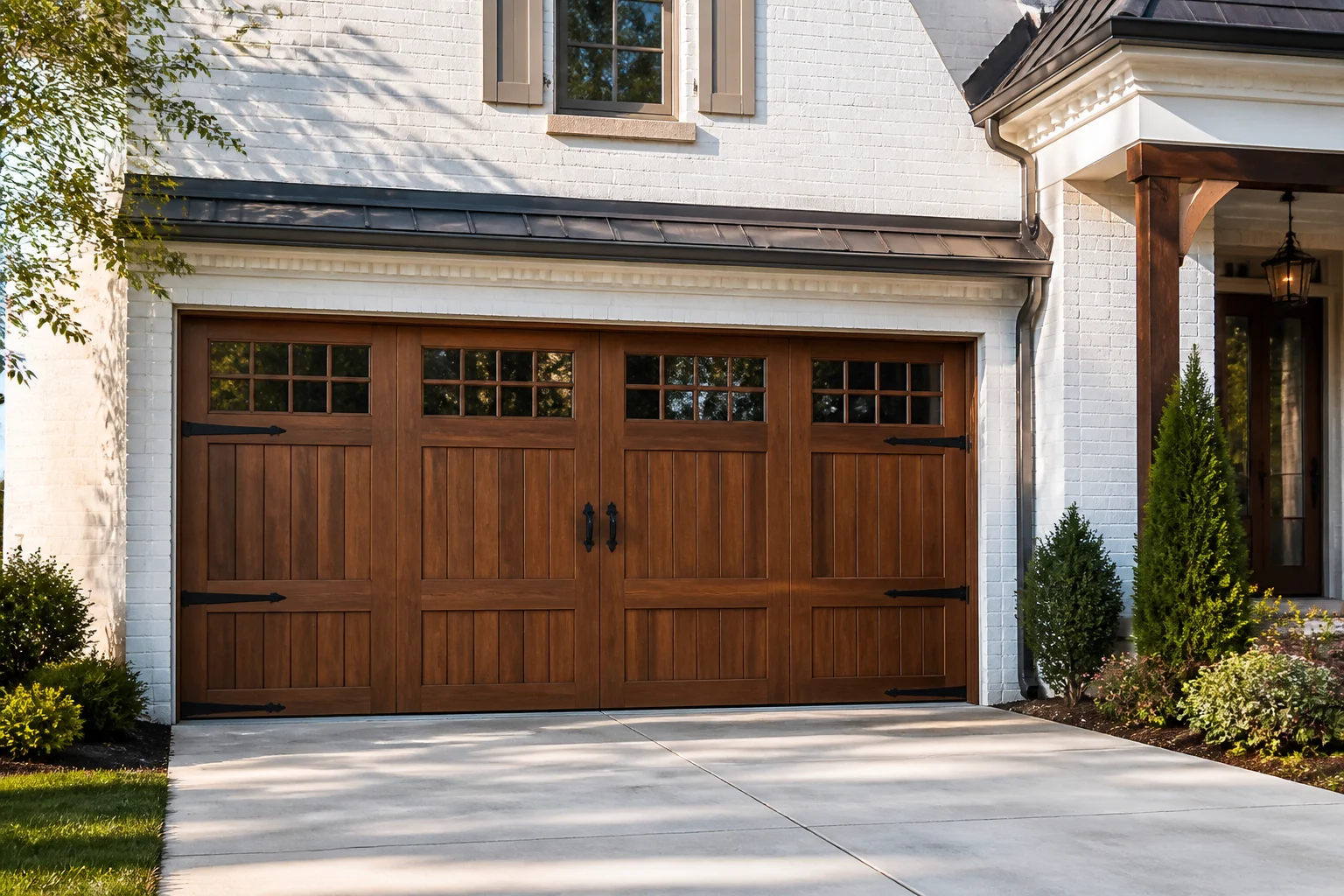
Printed, embossed, composite, and fiberglass faces offer wood character with different care and weight.
Explore this door style