Commercial sectional steel
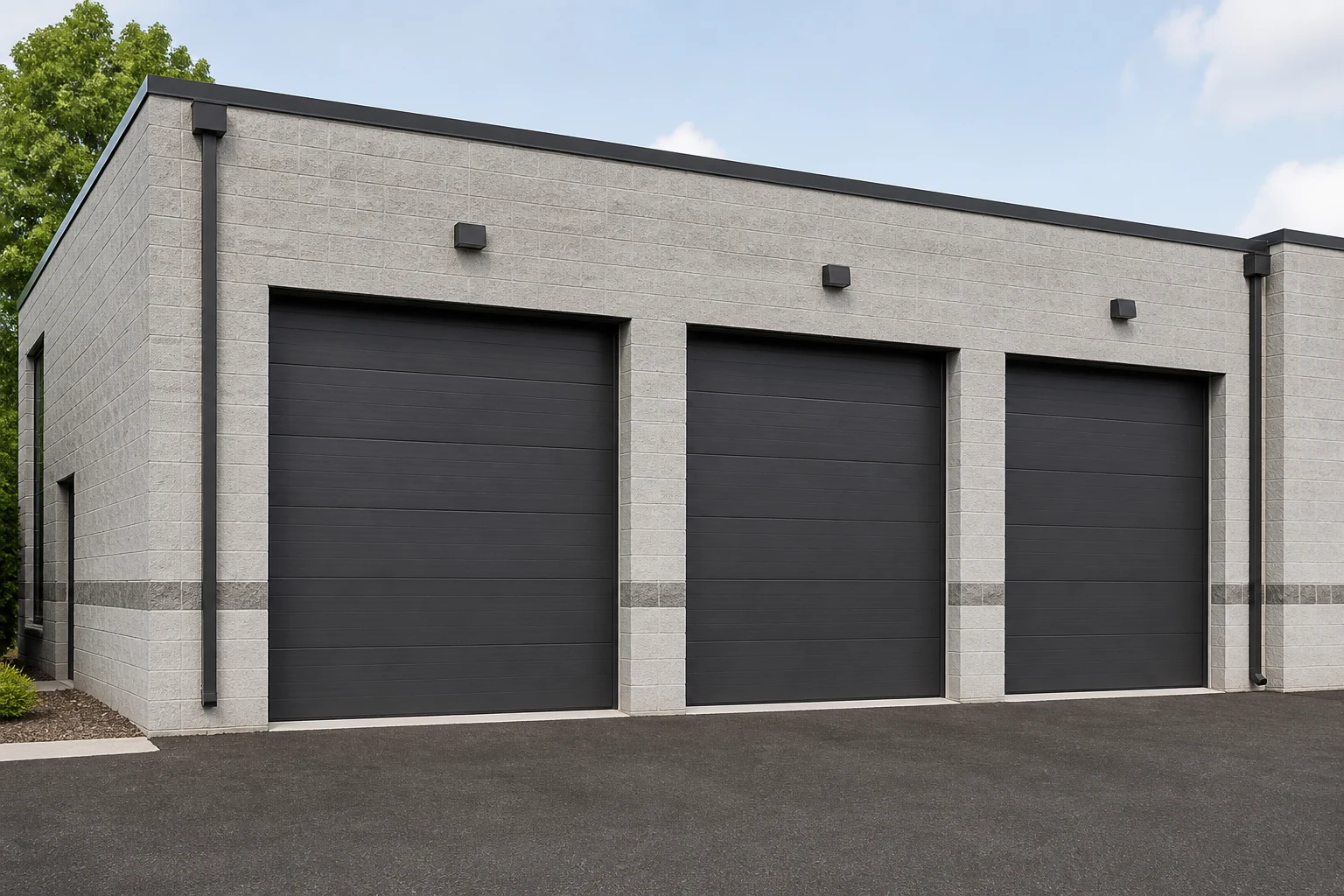
Hinged sections travel on tracks and can support insulation, windows, and multiple lift arrangements.
Around Raven Run, specialty door installation often means a wide opening in an old stone barn. A roll-up or sectional door suits it because neither needs swing room, and enlarging a building near Jacks Creek starts with the county's plans.
Old stone barns around Raven Run often take roll-up or sectional doors.




Commercial Systems Explained
Commercial overhead doors are built for openings that work harder than a home garage, such as warehouses, service bays, shops, fleet buildings and loading docks. They come in larger sizes, heavier construction and higher cycle ratings than residential doors.
The main systems are insulated sectional doors, rolling steel doors that coil above the opening, and aluminum full-view doors for showrooms and service areas. Operators, controls and safety devices are chosen for how often the door runs.
Every commercial door is quoted from a site visit. In Louisville, Lexington and Northern Kentucky, we document the opening, structure, clearances, traffic and power, then schedule the installation with your team.
Door Families
Hinged sections travel on tracks and can support insulation, windows, and multiple lift arrangements.
Interlocking slats coil above the opening for security and compact overhead storage.
Aluminum and glazed sections create visibility for service, showroom, and interior applications.
Purpose-built systems address speed, cycles, fire, impact, airflow, security, or other operating needs.
Common Applications
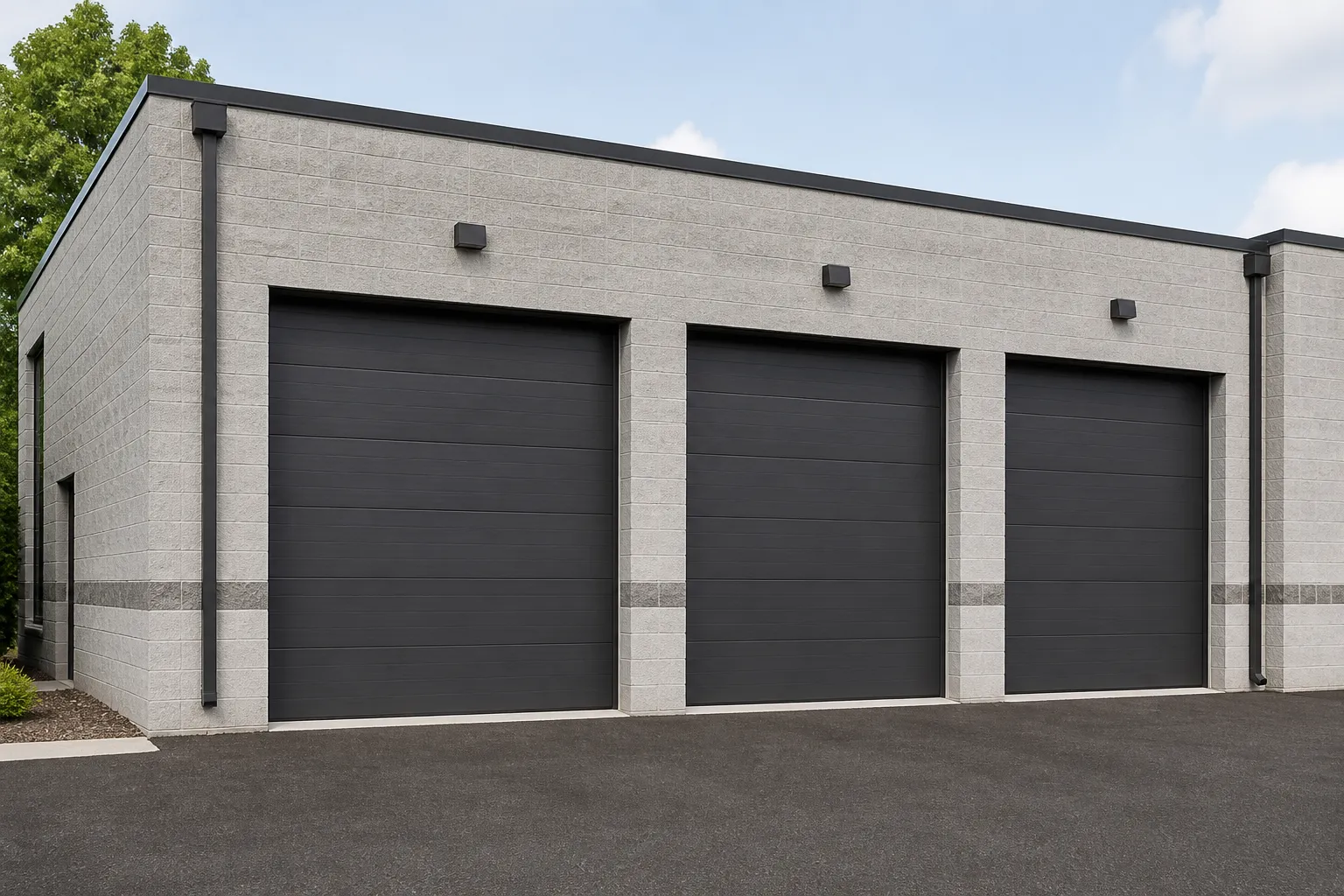
A practical choice for shops, warehouses, loading areas, and service facilities.
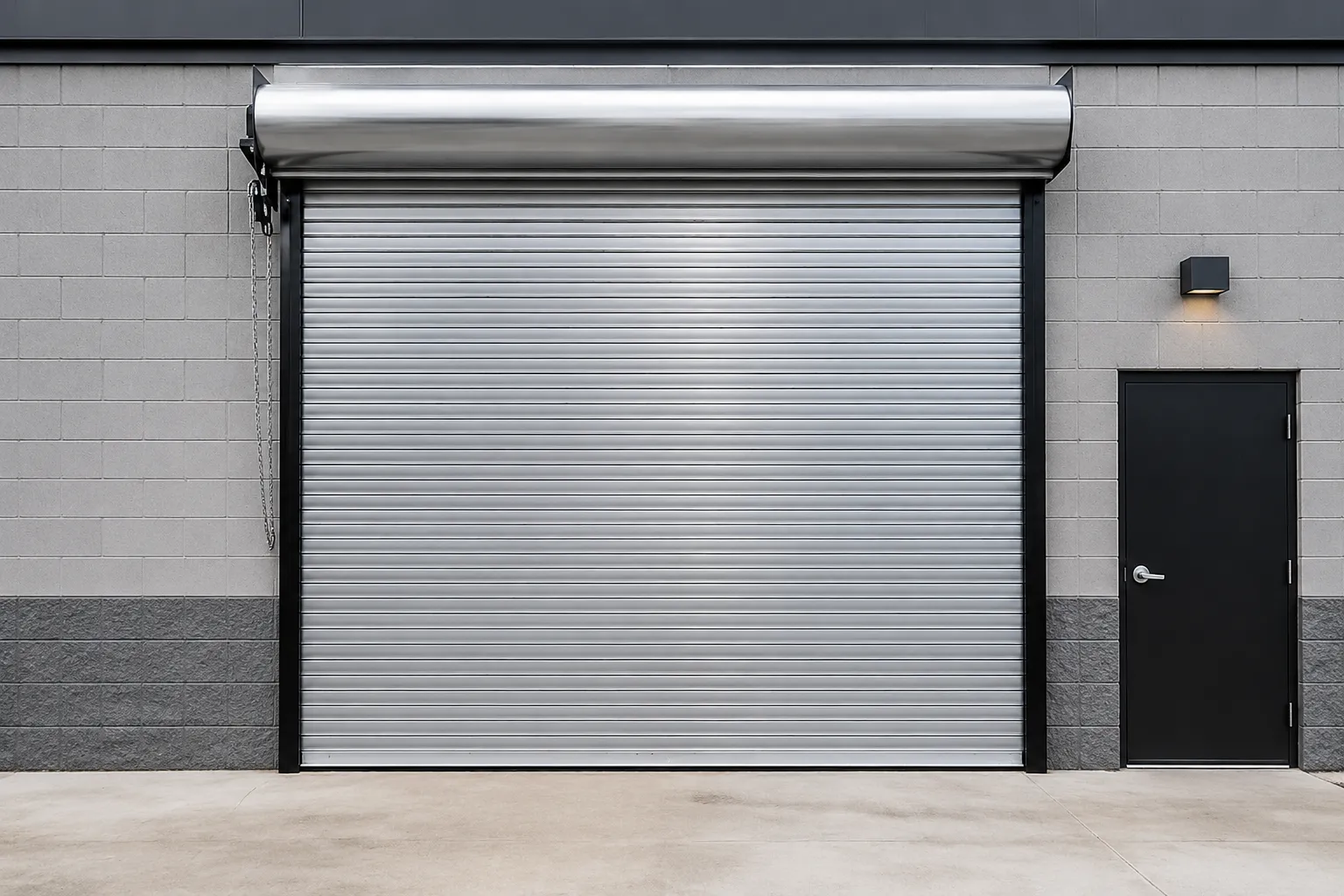
A compact coil system for security and openings where horizontal track is undesirable.
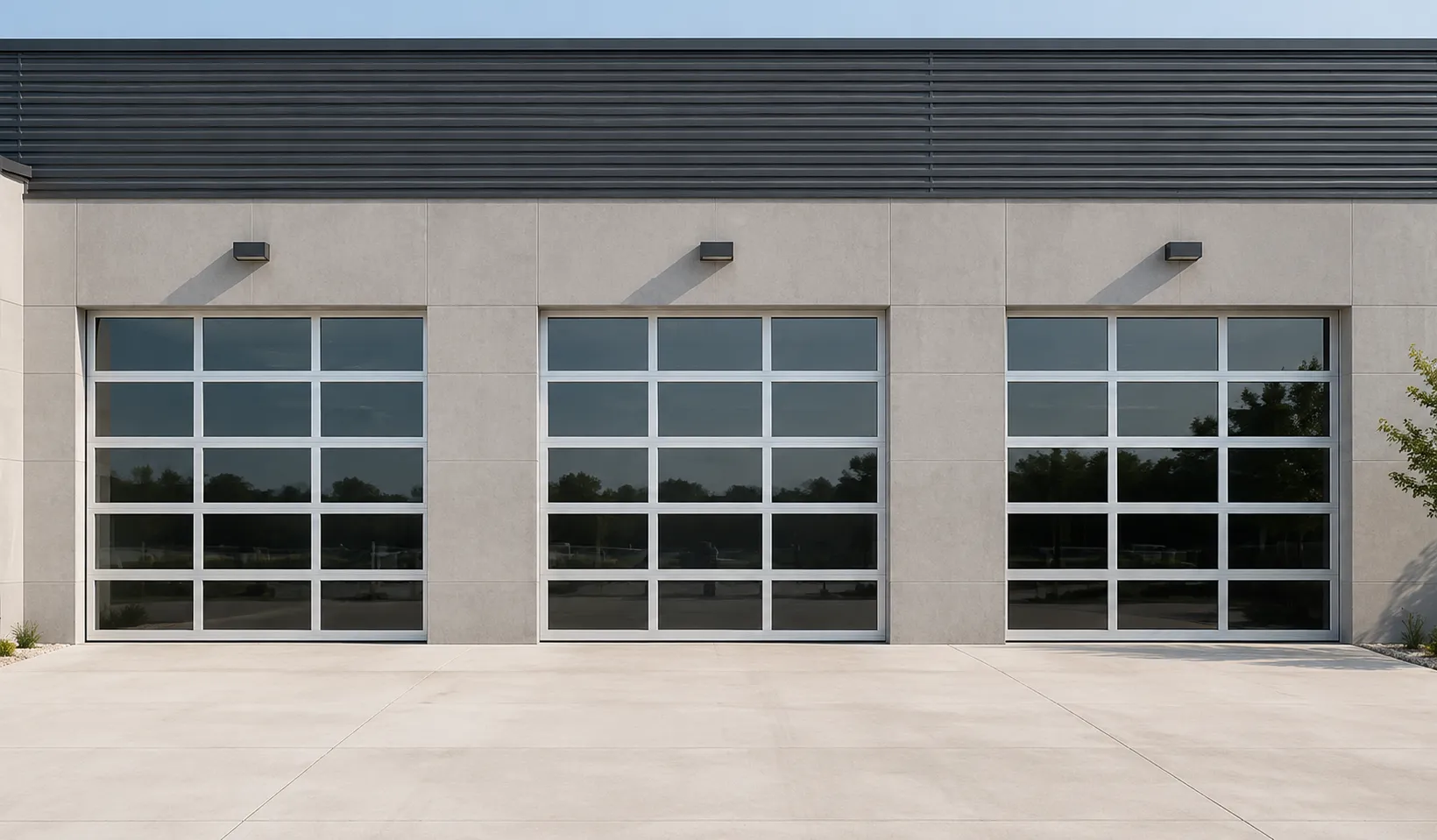
Broad glazing supports visibility and daylight in showrooms and automotive bays.
Finishes and Materials
Bright, simple commercial finish.
Common neutral for industrial buildings.
Warm neutral for masonry and metal buildings.
Dark contemporary service-bay finish.
High-contrast architectural option.
Selected sectional, rolling, and aluminum systems offer project-specific finishes.
Before You Specify
The same opening needs different doors based on cycles, speed, wind, security, temperature, and traffic.
Cycles, speed and traffic set the door.
Speed and design-cycle life answer different questions and must be matched to peak and annual use.
Match speed and cycle life to real use.
Track, coils, hoods, operators, sprinklers, lights, HVAC, lifts, and structure compete for clearance.
Tracks, hoods and HVAC share clearance.
Protection, fire interfaces, egress, wind, electrical, permits, and AHJ review can change the assembly.
Code and permits can change the assembly.
Plan the Opening
From selection to installation
Survey openings, structure, clearances, equipment, utilities, power, traffic, environment, and controls.
Survey openings, structure and power.
Define performance and coordinate family, operator, safety, code, electrical, drawings, and responsibilities.
Define the door, operator and safety.
Install the approved door, counterbalance, tracks or guides, operator, controls, seals, and protection.
Door, operator and controls installed.
Commission travel and safety, train users, deliver documents, and establish maintenance needs.
Commissioned, users trained, docs delivered.
Commercial Door FAQ
Commercial and specialty doors require a site-specific quote. The opening, duty cycle, speed, environment, structure, operator, controls, safety devices, code requirements, access, and commissioning scope determine the complete project price.
Timing depends on product lead time, site readiness, electrical and control work, equipment access and any permit or code coordination. We confirm the installation schedule with the approved scope, so your team can plan around it.
We provide a one-year warranty on our installation labor. The door, finish, glass, hardware, and operator also include the applicable manufacturer warranties for the products selected. We review those terms before the order is placed.
Start with how the opening is used. Count the daily openings, note the size of the traffic through it, and decide how much insulation, security and visibility the space needs. Those answers, along with the available headroom, point to a sectional, rolling steel or specialty door and a suitable operator.
Sectional doors run on tracks, insulate well and can include windows or full-view aluminum sections. Rolling steel doors coil into a hood above the opening, which saves ceiling space and adds security, but they need room for guides, brackets and the coil.
Yes. A door that cycles many times a day wears springs, cables, rollers and operator parts faster than a home garage door. Planned inspections, lubrication and safety-device checks help catch worn parts before they stop the door and the work behind it.
No. A high-cycle door uses springs and hardware rated for many more openings over its life. A high-speed door is built to open and close quickly, which cuts drafts and wait times. Some commercial doors are designed to do both.
Count how many times the door opens and closes on a normal day and on your busiest days, then multiply across a year and allow for growth. The springs, operator and maintenance plan should all be sized for that number.
No-obligation consultation
Keep exploring
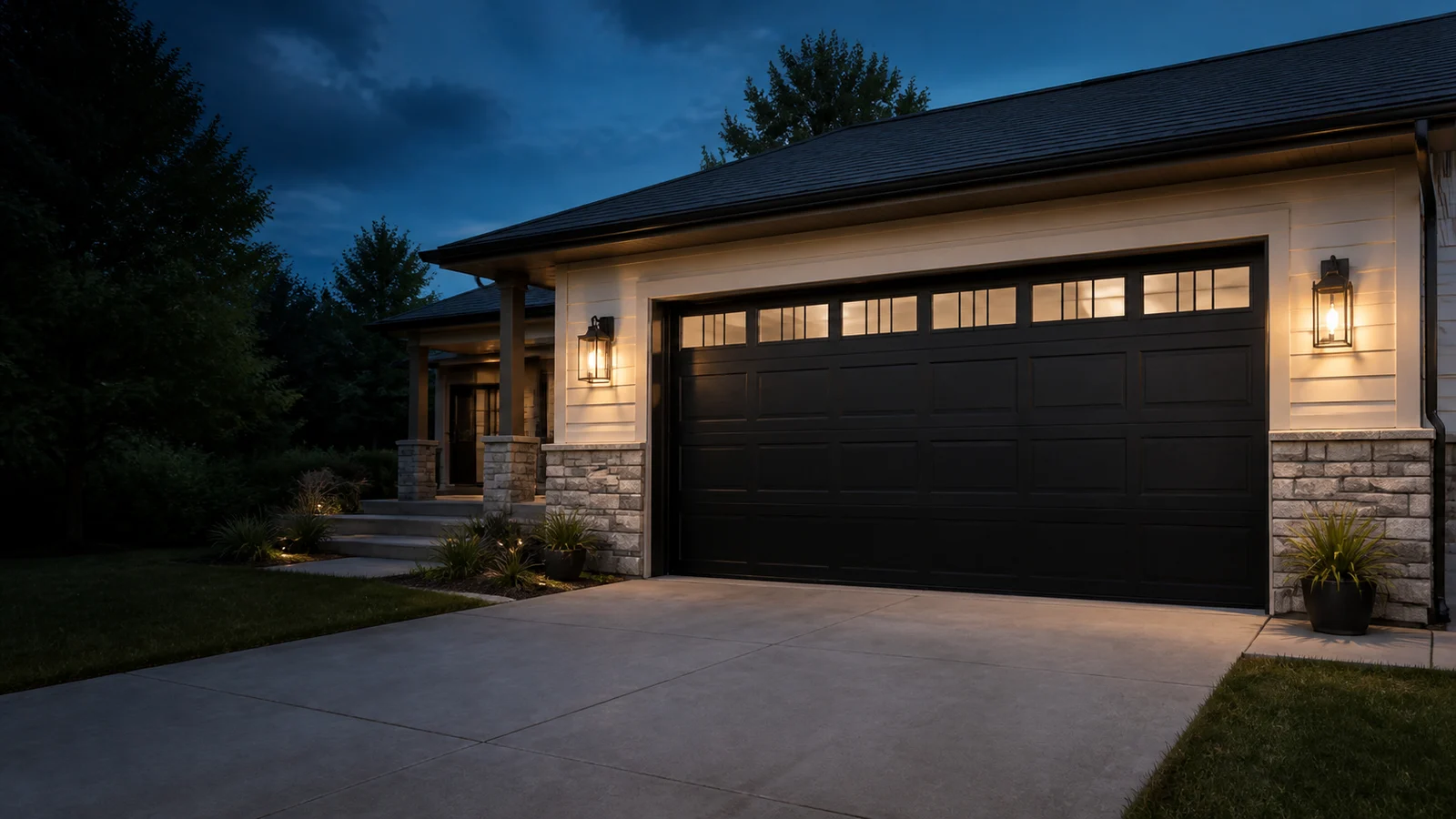
Durable, low-maintenance garage doors with flexible options for style, insulation, and budget.
Explore this door style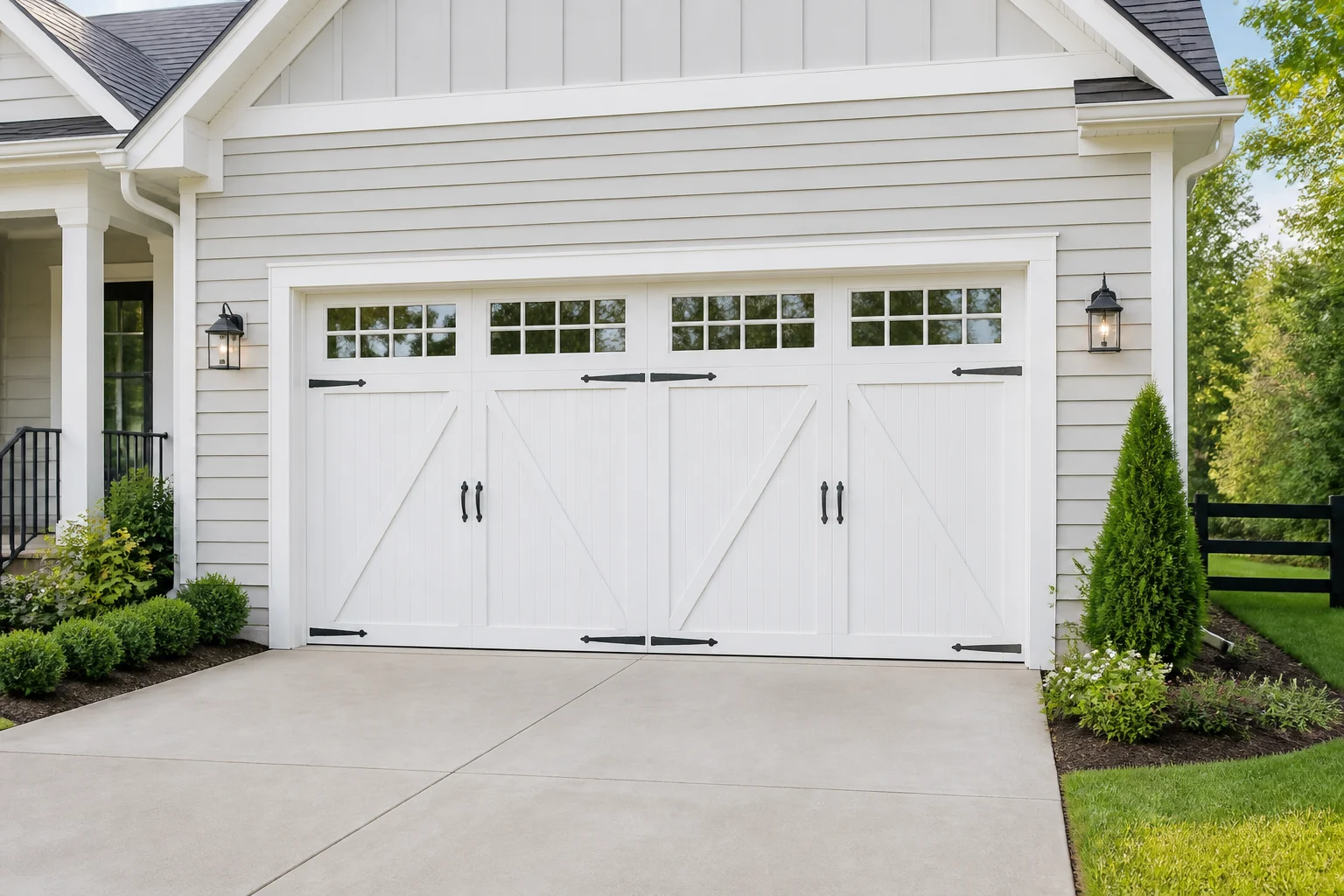
Stamped or overlay designs create a swing-door look while operating as a sectional overhead door.
Explore this door style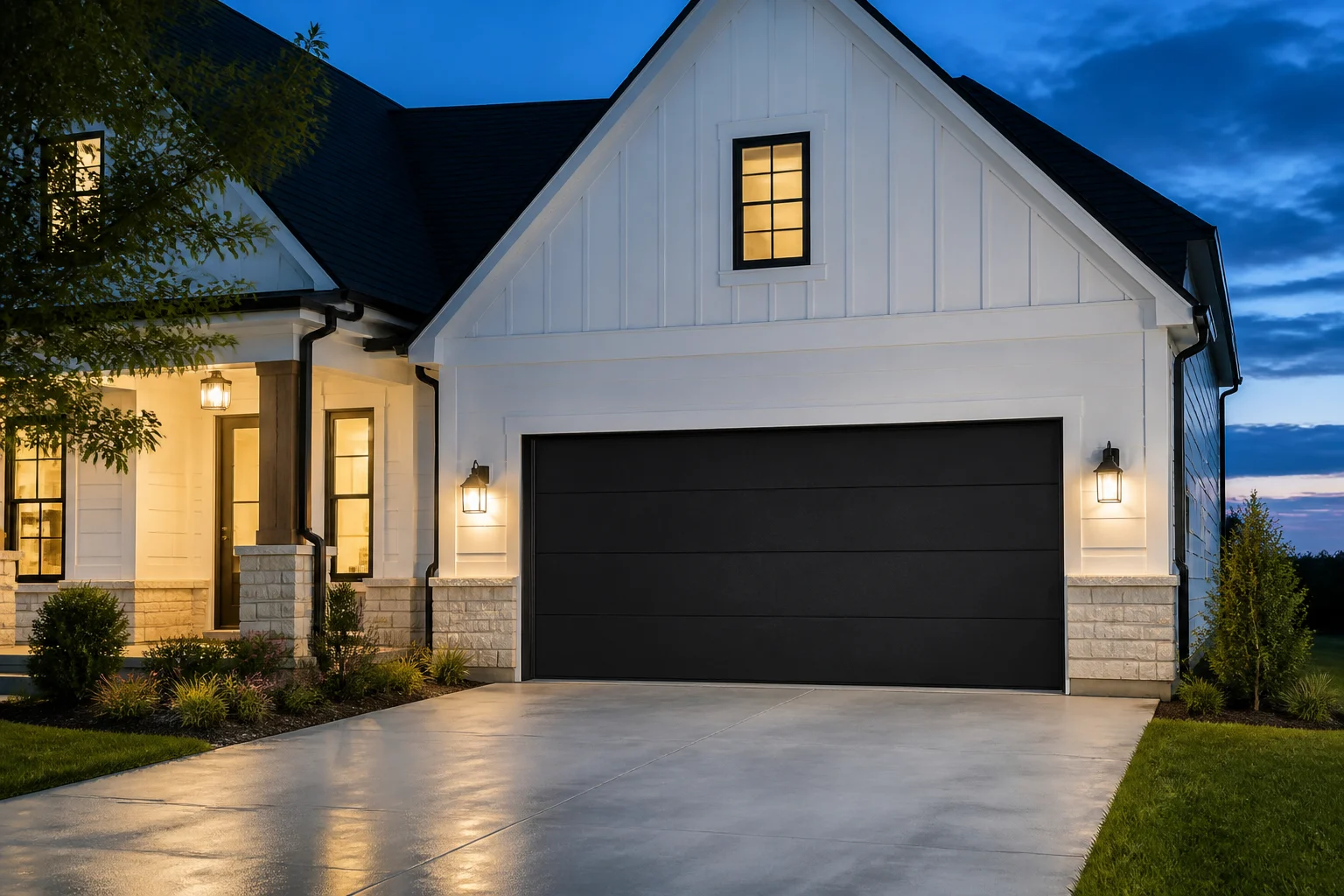
Flush faces, subtle grooves, plank lines, dark finishes, and asymmetric glass suit modern elevations.
Explore this door style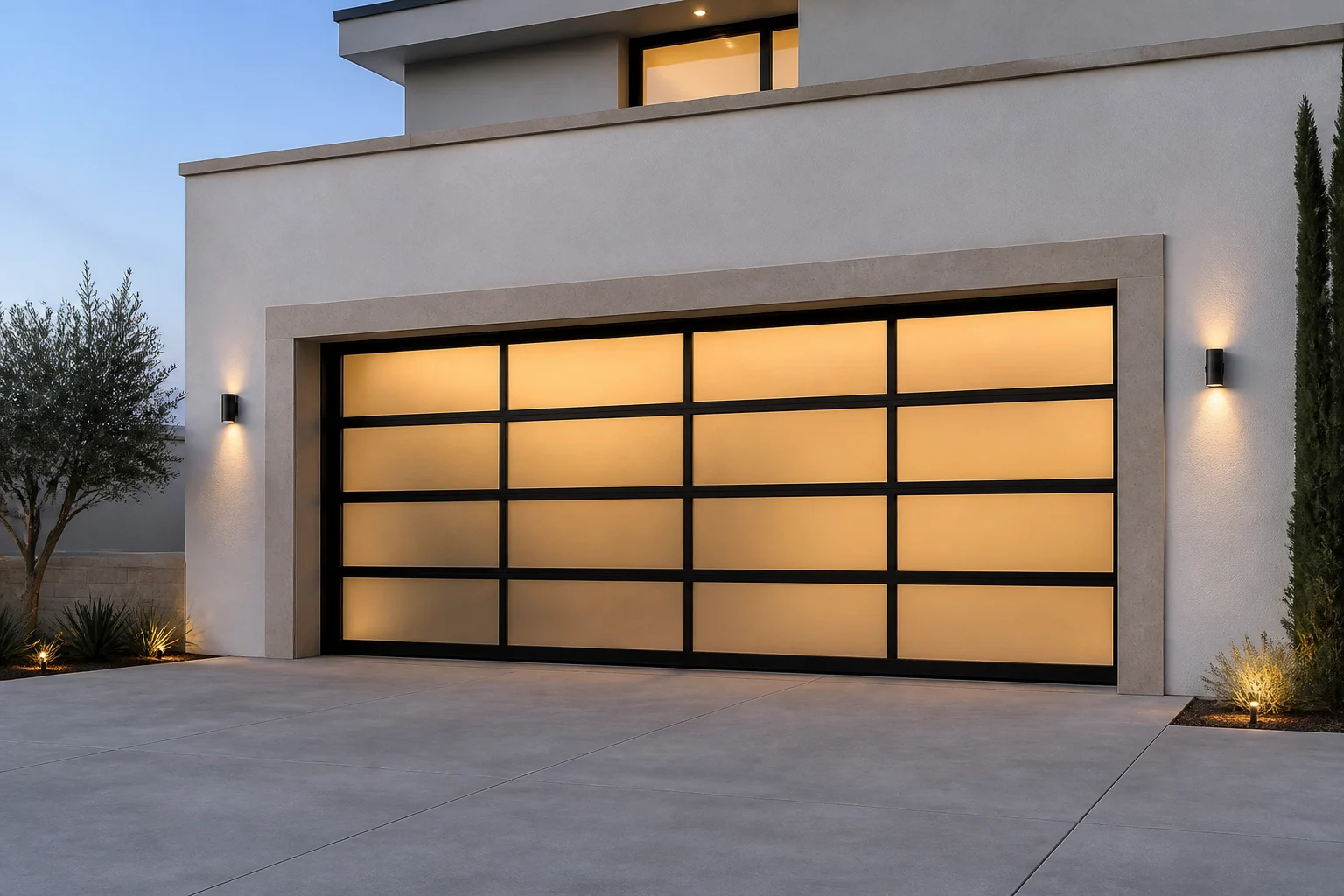
Aluminum frames and broad glass sections maximize light and create a distinctive architectural feature.
Explore this door style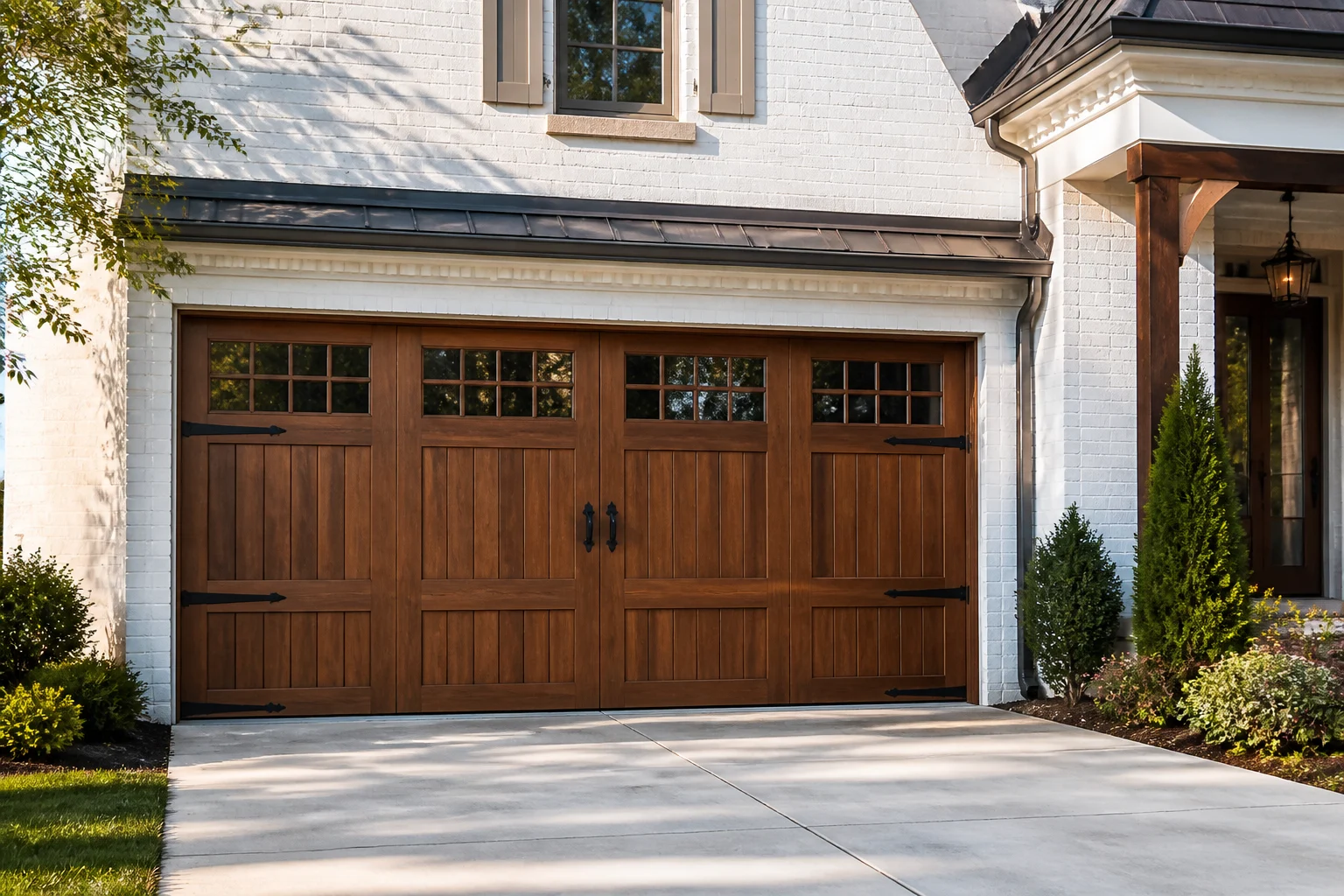
Printed, embossed, composite, and fiberglass faces offer wood character with different care and weight.
Explore this door style