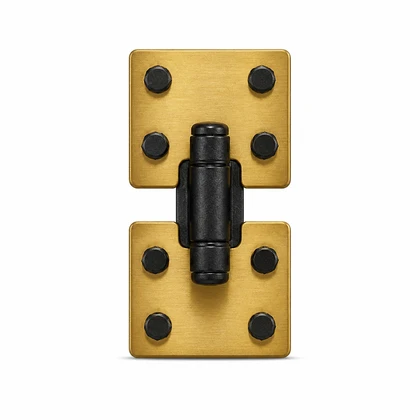
Standard option
Steel rollers
- Sound
- Louder metal-on-metal movement
- Maintenance
- Needs periodic lubrication
- Best for
- Detached garages and budget repairs
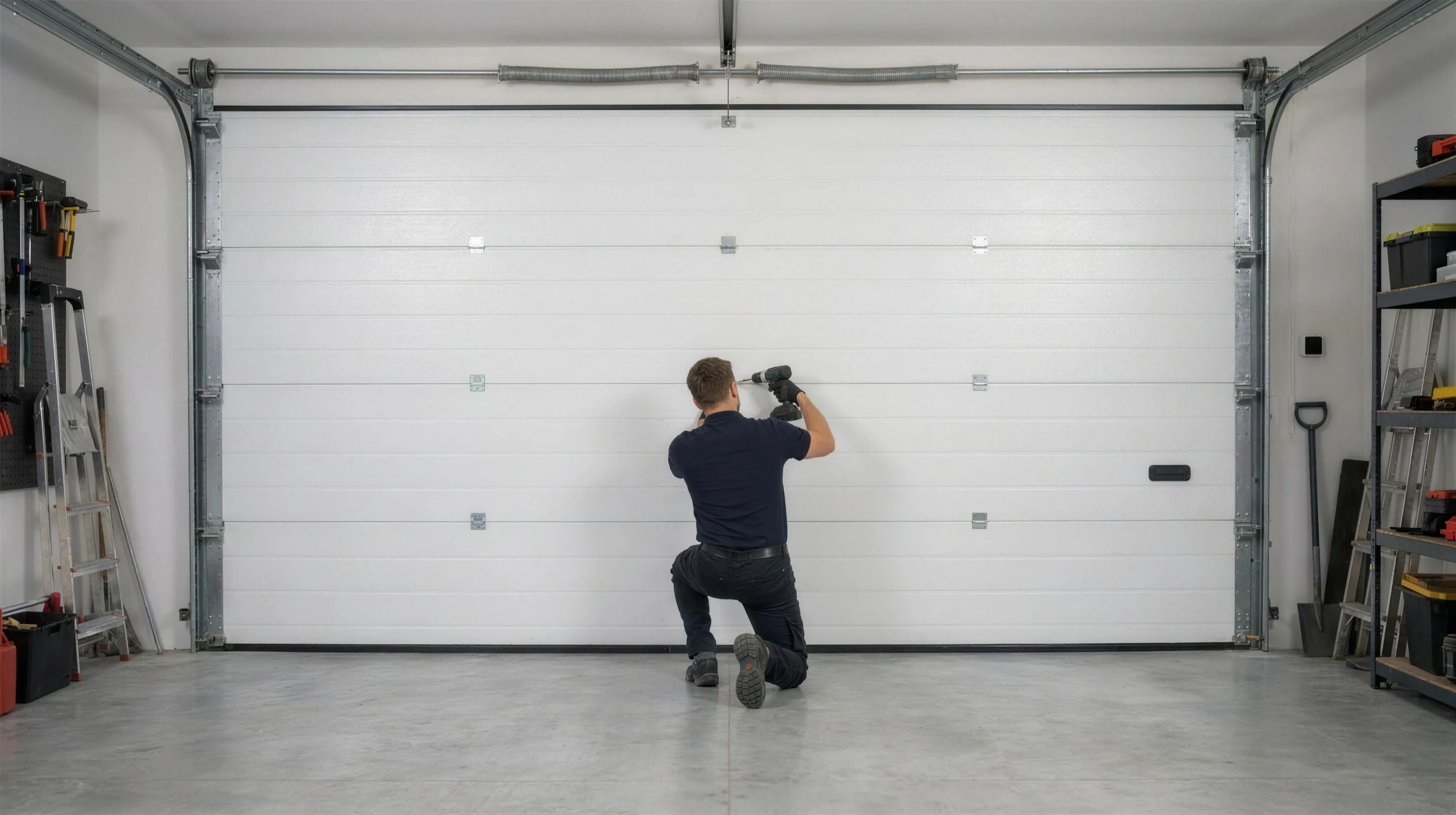
Most doors from Coventry to Greendale Villas are recent, but plain steel rollers still start to rumble with wear, and garage door roller replacement in Greendale quiets them. A full set of sealed nylon rollers also takes strain off the opener.
Plain steel rollers still rumble on newer Greendale doors near Coventry.




Safety check
What to do now
A squeaky or shaky door can usually wait for a scheduled visit—just skip the extra cycles. If a roller has left the track or a hinge has cracked, stop using the door and keep the opening clear. Never loosen a bottom bracket: it anchors the lift cable and stays under spring tension.
Customer reviews
Know the hardware
Standard option
Quieter upgrade
Have an unusual roller? Send us a photo taken safely from the floor and we’ll help identify it.
Plastic rollers without bearings are common on new construction and often wear out within 5,000–10,000 cycles. Heavier and commercial doors use 3-inch rollers, and low-headroom or high-lift systems use specific top-roller and long-stem hardware that must be matched exactly.
Not sure what you have? Send a photo of one hinge and roller from the floor. We can usually identify wheel size, stem type, and hinge style before the appointment, then confirm on site.
Hardware selection
We check each roller for cracks, flat spots, rust, missing balls, and play on the stem. One bad roller is a symptom—the rest of the set has the same age and cycle count.We check every roller for cracks, rust, flat spots, and looseness.
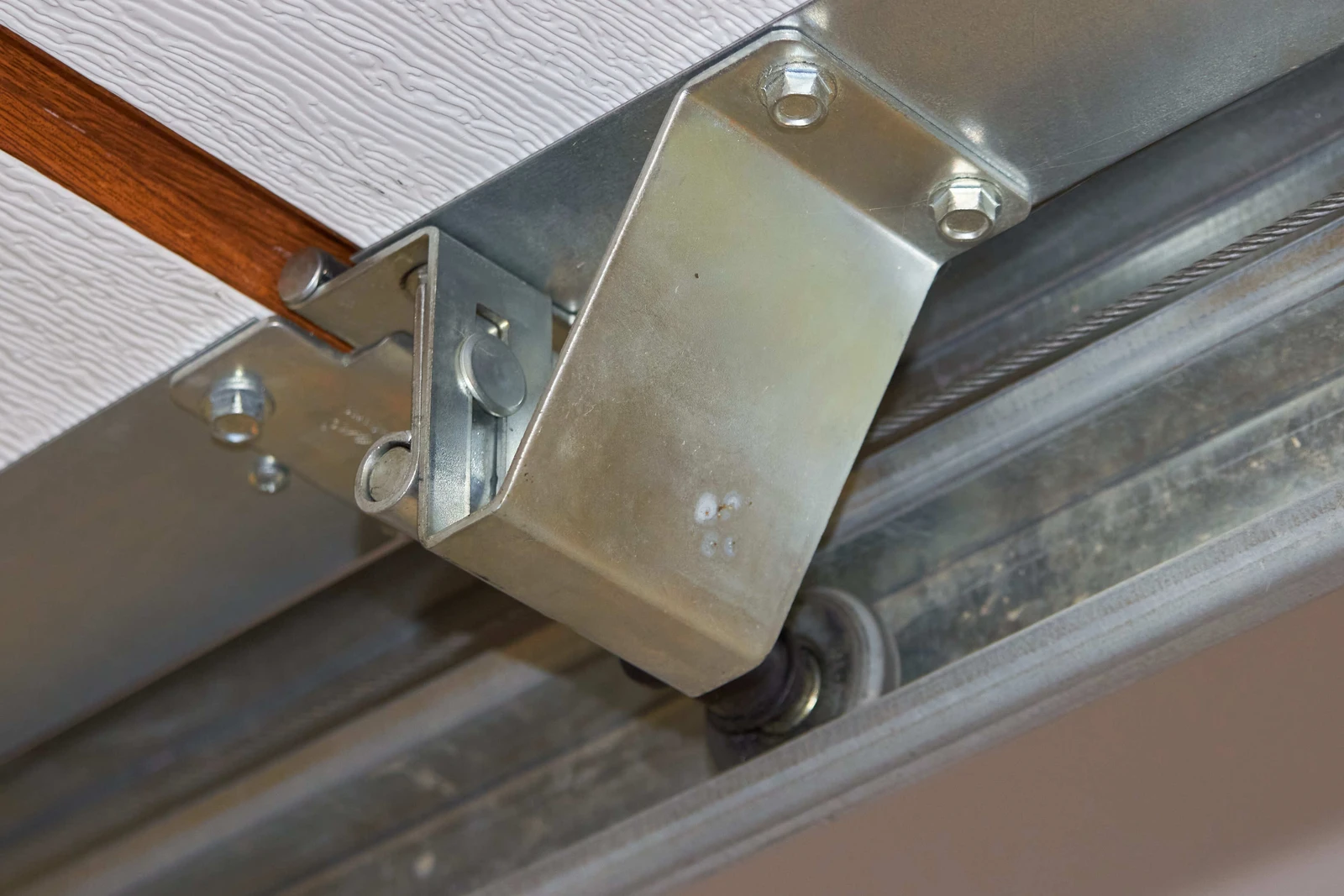
Short- and long-stem rollers, 2-inch and 3-inch wheels, and #1–#5 hinges are not interchangeable. The replacement must match the track profile, hinge position, and door weight so the door tracks true.The wheel, stem, and hinge must match your exact door and track.
Cracked hinge leaves, elongated bolt holes, stripped fasteners, and worn section joints are corrected at the same time. A new roller in a fatigued hinge still shakes.We check for cracked hinges and loose or damaged mounting points.
The bottom rollers sit in the bottom brackets, which anchor the lift cables and stay under spring tension. We check the cables, drums, and balance and replace the bottom fixtures only with the door secured.We inspect the cables and balance without disturbing tensioned parts.
Rollers are replaced as a set: a four-section door carries ten rollers and a five-section door carries twelve, all with the same age and cycle count. Swapping only the one that failed usually means another visit soon, and mixing old and new rollers creates uneven wear. The technician should explain what the set includes for your door before work begins.Best practice: Replace worn rollers as a matched set for smoother, more reliable movement.
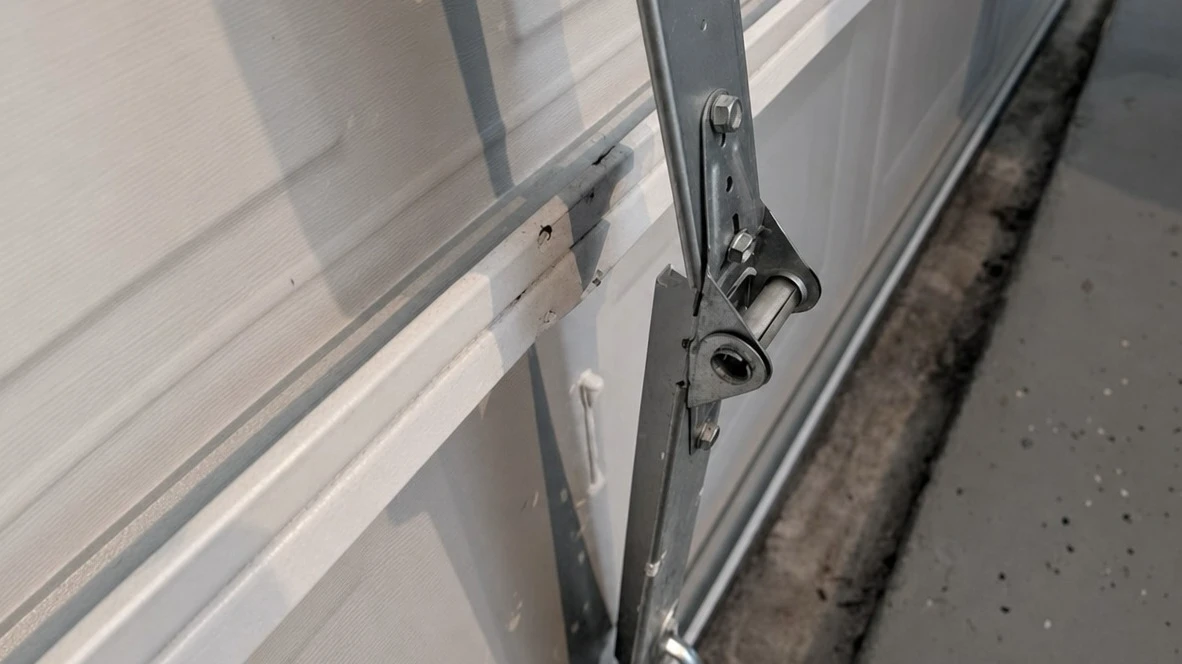 Before · Worn hinge and roller
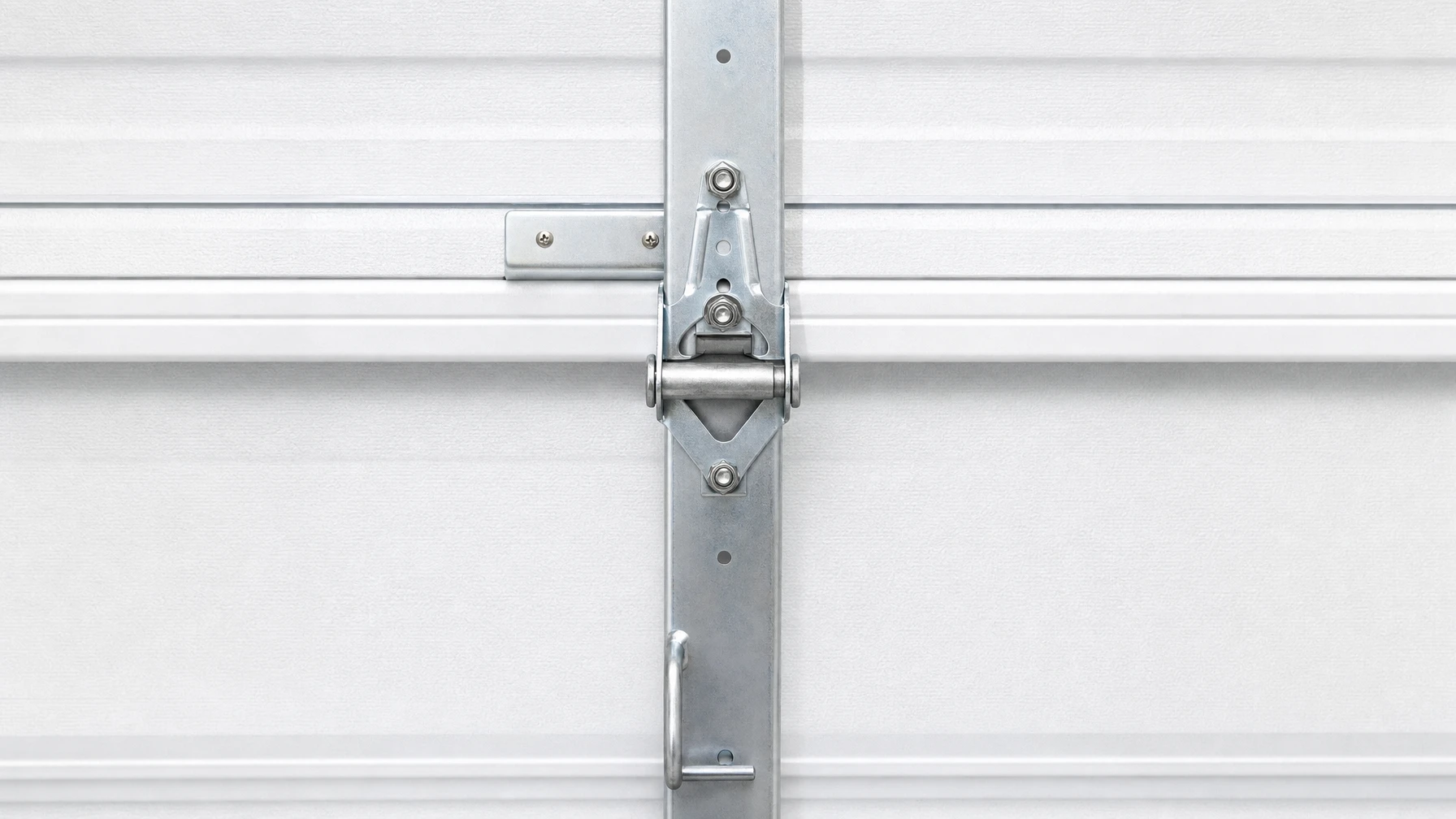 After · Replaced hardware
Service and pricing
The technician documents rollers, hinges, tracks, bottom brackets, cables, springs, balance, and opener force before quoting.Full door checked, then quoted.
Roller type, wheel size, stem length, hinge numbers, and gauge are selected for the actual door and track—not by appearance alone.Matched to your door and track.
Rollers and hinges are swapped one position at a time with the door clamped and supported. Bottom fixtures are handled under controlled tension.One at a time, door secured.
Fasteners are torqued, hinges lubricated, the door balanced and cycled, and opener force and reversal tested before we leave.Lubricated, cycled and tested.
Greendale Hills is still growing, phase by phase. Most other Greendale homes, from Coventry to Greendale Villas, were built within recent decades. On a newer door, the rollers may still be the ones it was installed with. If they are plain steel, their bearings loosen over time and start to rumble.
Worn steel rollers make the door shake as it travels the track. Nylon rollers with sealed bearings cut that noise sharply. We replace every roller at once so the door rides evenly. Hinges are checked as we go, since a loose hinge lets its roller wobble. Worn hinges are replaced during the same visit. A smoother door also takes load off the opener and its drive. If a room sits over the garage, it will hear the difference first.
Service area coverage
Local ZIP: 40511
Before you schedule
Steel and sealed nylon carry different prices. On a standard residential door, a full steel set usually costs $225–$375 installed, and a full sealed nylon set typically costs $275–$450. Hinges generally run $35–$65 each when you replace them one at a time, but several hinges share one set price. A bottom bracket and its roller usually cost $95–$175 a side. The hinge count, the door's weight and its number of sections shape the final price. So do the roller type, the wheel size, the balance and the condition of the cables, tracks and bottom brackets. With commercial, 3-inch or specialty low-headroom hardware, the price may sit outside these ranges.
Ten, on a standard four-section residential door. Each section takes two, and two more sit at the top. A five-section door takes twelve. They all share the same age and cycle count, so you'll almost always replace the lot together instead of one at a time.
For an attached garage, the usual pick is sealed nylon, on a 13-ball bearing. They run quieter and resist rust, and because the bearing is sealed, grit stays out of it. Steel 10-ball rollers are the cheaper, durable option, but they make more noise and need lubricating from time to time. If yours are builder-grade plastic with no bearings, they should come out once they show wear.
Roller life runs on cycles rather than a guaranteed span of years. At the low end, builder-grade plastic wheels often carry a rating of only 5,000–10,000 cycles, and they can fail after a few years of everyday use. Unsealed steel rollers with regular lubrication commonly rate around 10,000–15,000 cycles. At the high end, quality sealed nylon rollers commonly reach ratings of tens of thousands of cycles. They can keep working well past a decade. Real lifespan comes down to how often the door runs, along with door weight, balance and the track's condition.
Not necessarily. Inspect both together, and replace a hinge only when it needs it: cracked, bent, rusted through, or with bolt holes that have gone elongated. A section joint that won't stay tight is another reason. Any replacement has to match the hinge number (#1–#5) and gauge, which sets the roller at the right offset for the track it runs in.
The stamped number, usually #1 through #5 on a residential door, matches the hinge to its spot. You'll find #1 hinges along the lower joints and at the center of the door, joining the sections. Farther up each side, higher numbers set the roller stem farther out. That lets the roller stay on the track through the bend overhead. Install the wrong number and the door will rub, bind or pop a roller out.
For the full set, we recommend professional service. The reason is the bottom rollers. They sit in bottom brackets that anchor the lift cables, and those brackets stay under spring tension wherever the door is, open or closed. Taking one off before you secure the door and release its tension correctly can seriously injure someone. The middle and top rollers are less hazardous, yet they still call for a clamped door. With mismatched hardware, the door can bind or come off track.
Not with certainty. Squeaks, grinding and rattles most often come from rollers and hinges. Loose track brackets and loose fasteners can be noisy too. So can a spring system that's out of balance, or an opener chain or gear that's worn out. Part of the visit is tracking down the real source before anything gets replaced.
You want a garage-door silicone or white lithium spray. Roughly every six months, give the hinge pivots a coat, along with the bearings in unsealed steel rollers, but keep it off the track surface, because grease there collects grit. Penetrating sprays sold for general use, like WD-40, displace water and strip grease. They don't last as lubricants, and a gritty paste can build up. Sealed nylon rollers don't need their bearings lubricated; just a light film on the stem does it.
When dry bearings, worn wheels or loose hinges cause the noise, a full sealed nylon set with sound hinges usually brings a clear improvement. To get it quiet, you'll also need to deal with an out-of-balance door or a worn opener chain and rail, if either one's there.
When the garage is attached or the door runs often, usually yes. Compared with basic steel rollers, the sealed-bearing nylon type is quieter, needs less lubrication and tends to outlast them. A detached garage with light use may do fine with standard rollers. We choose based on the stem length, the track and how often the door gets used.
Local help for a noisy or shaky doorNeed service?
Let us know whether the door is a single or double, whether it still opens and closes, what the noise sounds like, and whether a roller has left the track. Keep clear of the opening if a section is out of line.